
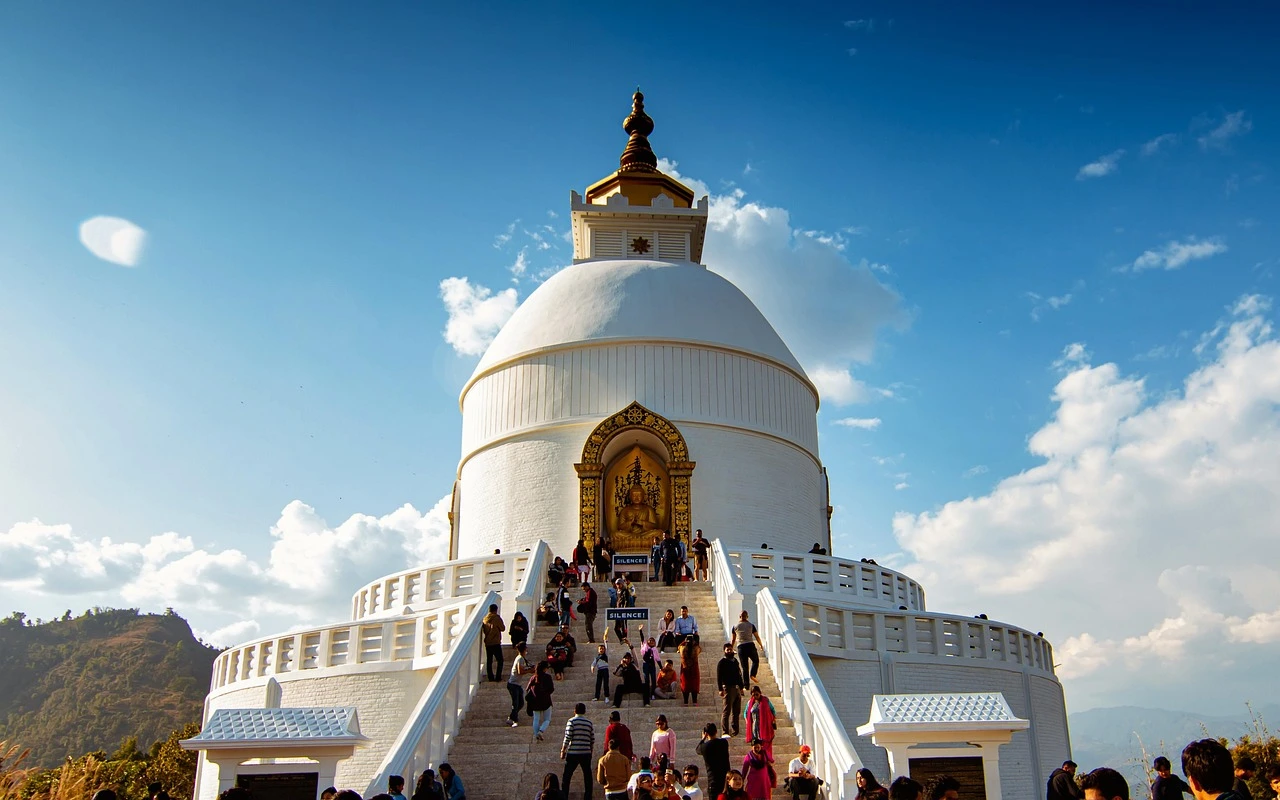
India is not just a destination; it is the spiritual homeland of Buddhism. From the sacred plains of Bihar and Uttar Pradesh, where Siddhartha Gautama lived, attained enlightenment, and taught, to the high-altitude Himalayan monasteries of Ladakh, Sikkim, and Himachal Pradesh, India offers a profound journey for spiritual seekers, history enthusiasts, and cultural travelers alike.
If you are planning a trip to India, timing your visit to coincide with a major Buddhist festival will elevate your journey from a standard tour to a life-changing, immersive experience. The atmosphere during these times is nothing short of electric—vibrant prayer flags snap in the mountain winds, the deep resonance of traditional horns echoes through ancient valleys, and millions of butter lamps illuminate the night.
As we look at the remainder of 2026, the calendar is packed with spiritually charged and visually stunning events. Whether you want to witness the dramatic Cham dances of the Himalayas or meditate quietly beneath the descendant of the original Bodhi Tree, 2026 offers exceptional opportunities.
Below is your comprehensive guide to the upcoming Buddhist festivals and events in India for 2026, complete with cultural insights, destination guides, and practical travel advice to help you plan the perfect trip.
Why India is the Ultimate Destination for a Buddhist Pilgrimage
Before diving into the specific dates and festivals, it is important to understand why India remains the ultimate pilgrimage destination for Buddhists around the world. The country houses the most significant sites in the life of Gautama Buddha, collectively known as the major pilgrimage circuit.
Taking a trip to India allows you to trace the exact footsteps of the Buddha:
- Bodh Gaya (Bihar): The site of the Mahabodhi Temple and the sacred Bodhi Tree, where Siddhartha Gautama attained supreme enlightenment and became the Buddha.
- Sarnath (Uttar Pradesh): Located near Varanasi, this is where the Buddha delivered his first sermon, setting the “Wheel of Dharma” into motion.
- Kushinagar (Uttar Pradesh): The peaceful site where the Buddha attained Mahaparinirvana (final nirvana after death).
- Rajgir & Nalanda (Bihar): Rajgir is home to Vulture Peak, where the Buddha delivered many important teachings, while Nalanda represents the pinnacle of ancient Buddhist monastic education.
Beyond the traditional plains, India’s Himalayan belt serves as a thriving sanctuary for Vajrayana (Tibetan) Buddhism. Destinations like Ladakh, Spiti Valley, Sikkim, Arunachal Pradesh, and Dharamshala (the residence of His Holiness the 14th Dalai Lama) offer a completely different cultural aesthetic. Here, Buddhism is intertwined with high-altitude mountain life, characterized by cliffside monasteries, intricate Thangka paintings, and powerful masked dance festivals.
Visiting during a festival allows you to witness the living, breathing tradition of Buddhism rather than simply touring historical monuments. You will see ancient scriptures chanted, participate in collective merit-making, and observe the deep devotion of local communities.
Major Upcoming Buddhist Festivals in India (2026 Calendar)
With the Tibetan New Year (Losar) having passed earlier in February, the spring, summer, and autumn of 2026 hold some of the most significant and visually spectacular events of the Buddhist calendar. Here is exactly when and where you should plan to be.
1. Buddha Purnima (Vesak)
Date: May 1, 2026
Best Places to Experience It: Bodh Gaya, Sarnath, Kushinagar, New Delhi
Buddha Purnima, widely known as Vesak, is universally recognized as the most sacred day in the Buddhist calendar. It is known as the “Triple Blessed Day” because it commemorates three monumental events in the life of Gautama Buddha: his birth in Lumbini, his enlightenment in Bodh Gaya, and his Mahaparinirvana in Kushinagar. Because the Buddhist lunar calendar dictates the date, it traditionally falls on the full moon day of the Hindu month of Vaisakha, which lands on May 1st in 2026.
What to Expect:
The energy during Buddha Purnima is serene, joyous, and deeply reflective. It is less about loud celebrations and more about spiritual renewal, compassion, and community.
- Mahabodhi Temple Festivities: If you travel to Bodh Gaya, you will find the Mahabodhi Temple complex entirely transformed. The great stupa is decorated with thousands of colorful flowers, Buddhist flags, and endless rows of butter lamps.
- The Bodhi Tree Ritual: Monks and devotees gather around the sacred Bodhi Tree to gently pour holy water over its roots, symbolizing respect, life, and the nurturing of wisdom.
- Acts of Compassion: You will witness widespread acts of charity. Devotees offer food (often sweet rice porridge, recalling the offering made by Sujata to the Buddha), give alms to the less fortunate, and arrange for the release of caged birds and animals, emphasizing the core Buddhist tenet of non-violence (Ahimsa) and compassion for all sentient beings.
- Chanting and Meditation: The air hums with the collective chanting of sutras by monks from various international traditions—Thai, Sri Lankan, Tibetan, Burmese, and Japanese—all gathering in India for this auspicious day.
Travel Tip for May: Keep in mind that May in the northern Indian plains (Bihar and Uttar Pradesh) is the peak of summer, with temperatures often exceeding 40°C (104°F). Early morning and late evening are the best times to participate in outdoor rituals. Ensure your itinerary includes air-conditioned transportation and comfortable accommodations to retreat to during the midday heat.
2. Saga Dawa Düchen
Date: May 31, 2026
Best Places to Experience It: Sikkim (Rumtek & Pemayangtse Monasteries), Dharamshala, Ladakh
While Buddha Purnima is universally celebrated, Saga Dawa is the specific Tibetan Buddhist observance of the Buddha’s birth, enlightenment, and parinirvana. The entire fourth lunar month of the Tibetan calendar is considered the “Month of Merits” (running roughly from mid-May to mid-June in 2026), but the absolute peak of this holy period falls on the full moon day—Saga Dawa Düchen—on May 31, 2026.
What to Expect:
In Tibetan Buddhist tradition, Saga Dawa Düchen is a “merit-multiplying” day. It is believed that any positive action, prayer, or act of generosity performed on this day is multiplied millions of times over in its karmic weight. Therefore, the devotion on display is deeply moving.
- Processions and Relics: In Gangtok (Sikkim), you can witness grand processions where monks carry sacred texts (the Kangyur) on their heads, parading them through the streets to bless the town. Monastic bands follow, playing traditional instruments.
- Circumambulation (Kora): Devotees engage in extensive kora, walking clockwise around stupas, monasteries, and even entire sacred mountains, turning prayer wheels and reciting the mantra of compassion, Om Mani Padme Hum. Some deeply devoted practitioners perform prostrations for the entire length of the circumambulation.
- Vegetarianism and Life Release: It is highly encouraged to eat a strictly vegetarian diet during this time. The practice of buying animals destined for slaughter (like fish or livestock) and releasing them into the wild or into sanctuaries is a major highlight of the festival’s compassion-in-action philosophy.
- Lighting Butter Lamps: As evening falls, monasteries across the Himalayas light thousands of butter lamps, creating a breathtaking sea of golden light intended to clear the darkness of ignorance from the world.
Travel Tip for May: Late May is an incredible time to visit the Indian Himalayas. Places like Sikkim and Dharamshala offer pleasant, cool weather, making it a perfect escape from the heat of the plains.
3. Hemis Festival (Hemis Tsechu)
Date: June 24 – 25, 2026
Best Places to Experience It: Hemis Monastery, Ladakh
If you are looking for visual spectacle, vibrant photography opportunities, and high-altitude adventure, the Hemis Festival is arguably the most famous monastic festival in India. Held in the courtyard of Hemis Monastery—the largest and wealthiest Buddhist monastery in the starkly beautiful region of Ladakh—this two-day summer event celebrates the birth anniversary of Guru Padmasambhava (Guru Rinpoche), the 8th-century Indian master who brought Tantric Buddhism to the Himalayas.
What to Expect:
The Hemis Festival is a feast for the senses, set against the dramatic backdrop of barren, jagged mountains and deep blue skies.
- The Cham Dance: The focal point of the festival is the mystic mask dances, known as Cham. Monks adorn themselves in vibrant silk robes and elaborately carved, terrifyingly beautiful masks representing various wrathful and peaceful deities. The dances are not mere performances; they are deeply sacred rituals meant to purify the environment, subjugate negative forces, and bless the onlookers.
- Musical Accompaniment: The dances are synchronized to the slow, haunting rhythms of traditional Tibetan instruments: the clash of cymbals, the deep thud of the nga (drums), and the guttural, earth-shaking notes of the dungchen (long copper horns).
- Unfurling of the Thangka: On certain auspicious years, Hemis Monastery unfurls a massive, multi-story-high embroidered Thangka (a religious scroll painting) of Guru Padmasambhava for public viewing. Even on standard years, smaller but highly revered thangkas and artifacts are displayed.
- Local Culture and Bazaars: Beyond the monastery walls, the festival serves as a massive social gathering for the Ladakhi people. Families dress in their finest traditional attire (the goncha), adorned with turquoise and coral jewelry. Pop-up markets sell local handicrafts, thangkas, singing bowls, and Ladakhi street food.
Travel Tip for June: June is arguably the best time of year to visit Ladakh. The high mountain passes (like Khardung La) are clear of snow, the skies are bright, and temperatures are comfortable. However, because Leh and Hemis sit at altitudes exceeding 11,000 feet, you must plan for at least two days of pure rest upon arrival to acclimatize to the thin air and avoid altitude sickness.
4. His Holiness the 14th Dalai Lama’s 91st Birthday
Date: July 6, 2026
Best Places to Experience It: McLeod Ganj (Dharamshala), Himachal Pradesh
While not an ancient festival, July 6th has become one of the most joyous and widely celebrated days for the Tibetan diaspora and international Buddhist community. In 2026, His Holiness the 14th Dalai Lama will turn 91 years old. A year-long celebration initiated by the Central Tibetan Administration leads up to this monumental milestone, making July 6, 2026, an incredibly special time to be in Dharamshala.
What to Expect:
McLeod Ganj, the hill station sitting above Dharamshala, serves as the headquarters of the Tibetan Government-in-Exile and the residence of the Dalai Lama.
- Tsuglagkhang Complex Gatherings: The main temple complex will host extensive long-life prayers (Tenshug) dedicated to His Holiness. Monks, nuns, local Tibetans, and foreign visitors pack the courtyards.
- Cultural Performances: The Tibetan Institute of Performing Arts (TIPA) usually organizes grand showcases of traditional Tibetan opera (Ache Lhamo), folk dances, and musical performances.
- Community Feasts: It is a day of tremendous joy. Sweet tea and traditional Tibetan rice are often distributed freely to everyone in attendance. The streets of McLeod Ganj take on a carnival-like atmosphere, draped in prayer flags and portraits of the Dalai Lama.
Travel Tip for July: July marks the beginning of the monsoon season in Himachal Pradesh. Expect heavy rainfall, mist-covered mountains, and lush green scenery. Travel with high-quality rain gear, waterproof footwear, and a flexible itinerary, as mountain roads can occasionally experience delays due to weather.
5. Lhabab Duchen
Date: November 1, 2026
Best Places to Experience It: Dharamshala, Sikkim, Bodh Gaya
As autumn settles over India, the Buddhist calendar brings us Lhabab Duchen. Occurring on the 22nd day of the 9th lunar month, this festival commemorates a beautiful and deeply human story: the Buddha’s return to earth from the Heaven of the Thirty-Three (Trāyastriṃśa). According to tradition, the Buddha’s mother, Queen Maya, passed away shortly after his birth and was reborn in the heavenly realms. Out of deep gratitude and compassion, the Buddha ascended to the god realms to teach her the Dharma for three months, helping to liberate her from the cycle of rebirth. Lhabab Duchen celebrates his descent back to the human world on a triple ladder made of gold, silver, and beryl.
What to Expect:
Like Saga Dawa, Lhabab Duchen is a merit-multiplying day, where the effects of positive and negative actions are said to be multiplied ten million times.
- Monastic Renewal: In the days leading up to the festival, monasteries and stupas undergo intense cleaning and are freshly painted. In places like Boudhanath (Nepal) and major stupas in India, you will see fresh saffron-colored paint elegantly splashed onto the white domes to resemble lotus petals.
- Intense Spiritual Practice: Pilgrims flock to major temples to engage in continuous prayer, prostrations, and the lighting of butter lamps.
- Special Teachings: High lamas and Rinpoches often schedule significant public teachings or empowerments around this time, taking advantage of the auspicious cosmic timing.
Travel Tip for November: November is the absolute sweet spot for traveling anywhere in India. The monsoon has passed, the skies are brilliantly clear, and the blistering heat of the plains has given way to cool, comfortable days. Whether you are trekking in Sikkim or visiting the ruins of Sarnath, the weather is flawless.
Crafting Your 2026 Buddhist Itinerary
To make the most of your journey, your itinerary should be tailored to the specific festival you wish to attend and the regional climate. Here are three conceptual ways to structure your 2026 trip:
Option A: The Himalayan Summer Immersion (Focused on Hemis Festival – June 2026)
- Duration: 10–12 Days
- Route: New Delhi -> Leh -> Nubra Valley -> Pangong Lake -> Hemis -> Leh -> New Delhi
- Highlights: Acclimatize in Leh while visiting the towering Thiksey Monastery and Shanti Stupa. Drive over Khardung La (one of the highest motorable roads in the world) to the high-desert Nubra Valley. Return for the vibrant two-day Hemis Festival to witness the Cham dances. End with a serene visit to the bright blue waters of Pangong Lake.
Option B: The Footsteps of the Buddha (Focused on Buddha Purnima – May 2026)
- Duration: 8–10 Days
- Route: Varanasi -> Sarnath -> Bodh Gaya -> Rajgir -> Nalanda -> Patna
- Highlights: Begin with the ancient spiritual energy of Varanasi, then take the short trip to Sarnath where the Buddha first taught. Travel by train or car to Bodh Gaya to experience the profound, flower-laden celebrations of Buddha Purnima under the Bodhi Tree. Spend your final days exploring Vulture Peak in Rajgir and the incredible ancient university ruins at Nalanda.
Option C: The Autumn Spiritual Retreat (Focused on Lhabab Duchen – November 2026)
- Duration: 12–14 Days
- Route: New Delhi -> Dharamshala (McLeod Ganj) -> Amritsar -> New Delhi -> Darjeeling -> Sikkim (Gangtok/Rumtek)
- Highlights: Spend Lhabab Duchen in the spiritual atmosphere of McLeod Ganj, engaging with the Tibetan exile community and visiting the Dalai Lama’s temple. Take a brief side-trip to Amritsar to see the Golden Temple. Fly east to Bagdogra to explore the tea gardens of Darjeeling before heading into Sikkim. Visit the magnificent Rumtek Monastery, soaking in the crisp November mountain views of Mount Kanchenjunga.
Practical Planning & Etiquette for Your Trip
Traveling to India, especially to remote monastic sites, requires thoughtful preparation. Below are essential logistics to keep in mind when planning your 2026 spiritual journey.
1. Visas and Travel Documents
Most international travelers require a visa to enter India. Fortunately, India offers an e-Visa facility for citizens of over 160 countries. You can apply for an e-Tourist Visa online a few weeks prior to your arrival.
Special Note for Sikkim and Arunachal Pradesh: Some Himalayan regions share sensitive international borders. Foreign nationals visiting Sikkim require an Inner Line Permit (ILP) or Protected Area Permit (PAP). If you are visiting Tawang in Arunachal Pradesh, separate permits are also strictly required. Prime Value Tours handles all of these bureaucratic logistics for you, ensuring a seamless journey.
2. Monastery Etiquette and Respect
When attending these festivals, it is vital to remember that while they are visually stunning, they are deeply sacred religious events, not tourist shows.
- Dress Modestly: Always cover your shoulders and knees. This applies to both men and women. Even if it is hot in Bodh Gaya, avoid shorts and tank tops out of respect for the monks and pilgrims.
- Circumambulation: Always walk around stupas, shrines, and mani (prayer) walls in a clockwise direction.
- Photography: Never take photos with your back to an image or statue of the Buddha (e.g., taking a selfie in front of the altar). Always ask for permission before photographing monks, especially during a ritual. Use no flash inside dimly lit shrine rooms.
- Body Language: Do not point the soles of your feet toward an altar, a monk, or a religious object when sitting on the floor. Tuck your feet beneath you or cross your legs. Remove your shoes before entering any temple or shrine room.
3. Accommodations During Festivals
Buddhist festivals draw massive crowds—both local pilgrims and international travelers. Accommodations in small towns like Bodh Gaya, Leh, and McLeod Ganj sell out months in advance. To secure a comfortable, clean, and well-located hotel, you must book your 2026 trip as early as possible.
Why Book With Prime Value Tours?
Planning a trip across India’s diverse landscapes—from the scorching plains of Bihar to the high-altitude passes of Ladakh—can be incredibly complex. Coordinating domestic flights, securing regional permits, finding reliable local guides, and timing everything perfectly with the lunar calendar requires on-the-ground expertise.
This is where Prime Value Tours steps in.
We specialize in crafting seamless, deeply immersive, and highly personalized itineraries across India. Whether you are a solo traveler seeking a quiet meditation retreat, a photography enthusiast wanting front-row access to the Hemis Festival, or a family looking to explore the historical roots of Buddhism in comfort, we handle every single detail.
- Tailored Itineraries: We don’t believe in one-size-fits-all. We build the trip around your specific spiritual goals and physical comfort levels.
- Expert Guides: Our guides are not just logistical coordinators; they are deeply knowledgeable about Buddhist history, philosophy, and local Himalayan culture.
- Hassle-Free Logistics: From airport transfers and luxury domestic travel to securing elusive inner-line permits, we ensure your mind remains focused on the spiritual journey, not the travel logistics.
- Comfort and Value: We partner with the finest boutique hotels, heritage properties, and comfortable transport services to provide an exceptional experience that honors your investment.
Conclusion: Start Planning Your 2026 Journey Today
The year 2026 offers a magnificent window of opportunity to connect with the living heart of Buddhism. Whether it is feeling the cool evening breeze under the Bodhi tree on Buddha Purnima, getting lost in the rhythmic chanting of Saga Dawa in Sikkim, or watching the fierce Cham deities dance against the stark Ladakhi mountains at the Hemis Festival, these experiences will stay with you for a lifetime.
Because festival dates dictate travel patterns, availability for flights and boutique accommodations vanishes quickly. The perfect time to start planning your 2026 trip is right now.
Let us help you turn your spiritual aspirations into a flawless reality.
Contact us to start planning:
- Email: info@primevaluetours.com
- Line: line.me/ti/p/6QtZRvYpeP
- WhatsApp: +91-9794122849
- Website: primevaluetours.com