
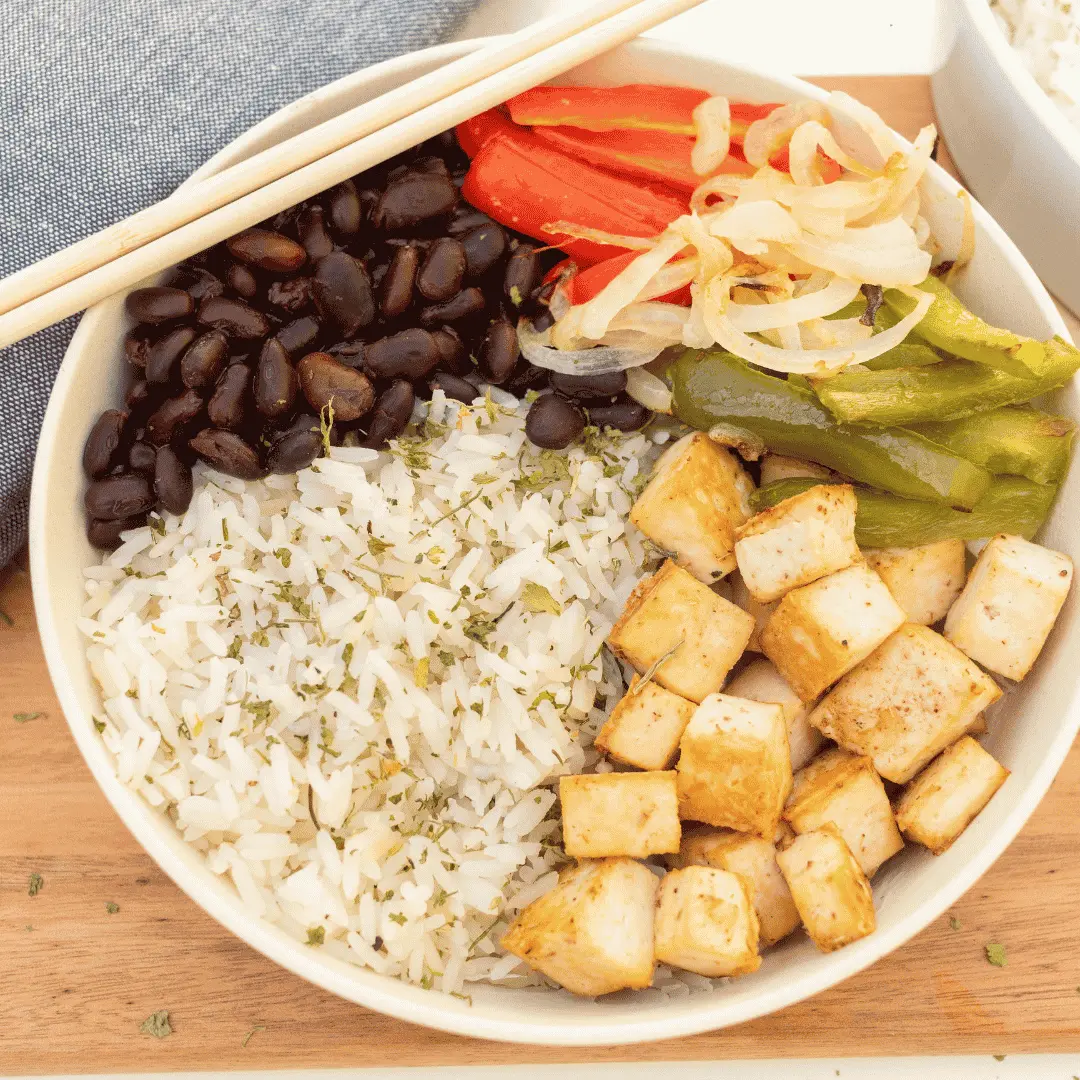
Vegetarian Food Guide India: What Thai Buddhist Pilgrims Can Safely Eat at Every Holy Site
A Site-by-Site Pilgrim Eating Guide from Bodh Gaya to Varanasi
Picture this: you have just finished your prayers under the sacred Bodhi Tree at Bodh Gaya, the sun is setting, and your stomach is gently reminding you that lunch was hours ago. You look around. Restaurants on every corner. Some smell wonderful. Some look unfamiliar. And the question every Thai Buddhist pilgrim has asked us at least once flashes through your mind: “Is this safe to eat?”
If you have ever felt nervous about food on your India pilgrimage, you are not alone. Food anxiety is one of the most common worries Thai groups share with our team before their tour. The good news? India is one of the most vegetarian-friendly countries in the world, especially along the Buddhist circuit, where pure veg restaurants and temple kitchens are part of the spiritual culture.
This vegetarian food guide India is written specifically for Thai Buddhist pilgrims who want to eat safely, comfortably, and with full devotion at every holy site. As a Ministry of Tourism, Government of India – Verified Tour Operator and IATO Member – Indian Association of Tour Operators, Prime Value Tours has been guiding Thai pilgrim groups across India and Nepal since 1999. We have hosted hundreds of monks, devotees, and senior travelers, and we have heard every food question imaginable.
Here is what most first-time Thai pilgrims do not know: each of the 8 holy sites along the Buddhist circuit has its own food character. Bodh Gaya is full of international temple kitchens. Patna offers world-class South Indian food. Varanasi is a pure vegetarian paradise. By the end of this guide, you will know exactly what to order, what to skip, and where to find Thai-friendly meals at every stop.
Why Vegetarian Food Is Easier Than You Think on the Buddhist Circuit
Let me share something that surprises most Thai travelers: India has more vegetarians per capita than any country in the world. Around 40% of all Indians eat 100% vegetarian, and along the Buddhist circuit (especially in cities like Varanasi and Bodh Gaya), pure veg restaurants are everywhere. In many holy towns, you will not even find non-vegetarian restaurants near temple zones.
For Thai Buddhists who follow vegetarian practice during pilgrimage, or simply prefer plant-based meals, India is genuinely welcoming. Most hotels list a “Pure Veg” menu by default. Many display green dots (vegetarian symbol) on every dish. And in our experience, the kitchen staff at pilgrim hotels along this route are well-trained in handling Thai dietary needs.
The Indian Vegetarian Difference: What Thai Pilgrims Should Expect
Indian vegetarian food is rich, spiced, and quite different from Thai vegetarian dishes. Here is what to expect on your daily plate:
- Dal (lentil curry): protein-rich, mild, and very comforting
- Roti and naan: fresh Indian flatbreads served hot
- Sabzi (vegetable curry): usually mild, varies by region and season
- Rice: long-grain basmati, often plain or lightly spiced
- Curd (yogurt): served daily, helps cool the spice
- Paneer (Indian cottage cheese): pure veg, similar texture to firm tofu
What Thai palates often miss: fish sauce, fresh chili paste, and lime. The good news is, most pilgrim hotels along the R1 route now stock chili sauce, soy sauce, and even Thai sticky rice for groups upon advance request.
Vegetarian Food Guide at Every Holy Site (R1 Route)
Here is your site-by-site guide following the standard R1 Buddhist Pilgrimage circuit route used by most Thai pilgrim groups: Bodh Gaya, Rajgir, Patna, Vaishali, Kushinagar, Lumbini, Sravasti, and Varanasi.
1. Bodh Gaya, Bihar (the spiritual capital)
Bodh Gaya is by far the most international holy site on the route, and the easiest for Thai pilgrims when it comes to food. The town has Wat Thai Bodhgaya temple with its own Thai vegetarian kitchen, plus Burmese, Japanese, Bhutanese, and Tibetan temple canteens that serve familiar pan-Asian flavors.
What to eat:
- Thai-style vegetarian meals at Wat Thai Bodhgaya (with advance request)
- Tibetan momos (steamed vegetable dumplings) at local cafes
- Pure veg North Indian thali at Mohammad’s Restaurant or Be Happy Cafe
- Fresh tropical fruits from morning markets
What to skip in your first 2 days:
- Street food (your stomach needs to adjust first)
- Tap water and ice (always use sealed bottled water)
- Raw salads (cooked vegetables are far safer)
2. Rajgir, Bihar (the meditation hills)
Rajgir is a smaller, quieter town. Vishwa Shanti Stupa, built where Buddha gave several discourses, dominates the hills. Food options are simpler here, but very pilgrim-friendly.
What to eat:
- Pure Jain vegetarian thali (no onion, no garlic, very pure for senior monks)
- Simple veg North Indian meals at hotel restaurants
- Hot dal-rice combinations after the stupa climb
In our experience, group meals are best arranged through your hotel kitchen here. Outside restaurants are limited and quality varies. Stick to your hotel and you will eat well.
3. Patna, Bihar (the modern capital stop)
Patna is the biggest city on the R1 route and offers the widest food variety. South Indian restaurants here serve excellent dosa, idli, and sambhar, light meals that are easy to digest and a welcome change from heavy North Indian fare.
What to eat:
- Masala dosa and idli at South Indian veg restaurants like Sagar Ratna or Lakshmi
- Simple thali at major hotels (Maurya, Chanakya, Lemon Tree)
- Litti chokha (local roasted wheat ball with mashed vegetables) for a regional taste
This is also a smart day to eat lighter, since Vaishali and the next stops have more limited options.
4. Vaishali, Bihar (Buddha’s last sermon site)
Vaishali is a small, sacred site with very limited restaurant options. We recommend either eating at your hotel or carrying packed lunch from Patna or your next stop.
What to eat:
- Simple veg thali at small dharamshalas and pilgrim guest houses
- Packed meals brought from Patna hotels
- Fresh fruits and sealed bottled water
This is one stop where planning matters. Our team always arranges packed lunches in advance for the Vaishali day.
5. Kushinagar, Uttar Pradesh (Mahaparinirvana site)
Kushinagar, where Buddha attained Mahaparinirvana, has several international Buddhist temples with their own kitchens. The Burmese temple in particular often welcomes pilgrim groups for simple vegetarian meals.
What to eat:
- Burmese vegetarian meals at the Burmese Temple (with prior arrangement)
- Korean or Japanese temple meals (depending on availability that day)
- Pure veg thali at Lotus Nikko Hotel and other major pilgrim hotels
Hotel meals are the safest and most consistent option here for groups.
6. Lumbini, Nepal (Buddha’s birthplace)
Lumbini deserves special attention. As Buddha’s birthplace, the international monastery zone is one of the most spiritually rich places on the route. Many monasteries from different Buddhist traditions maintain their own pilgrim canteens.
What to eat:
- Nepali dal-bhat (lentils, rice, vegetables, pickle, curd, papad: the perfect pilgrim meal)
- Korean Buddhist Temple canteen (their kimchi is mild and pilgrim-friendly)
- Vietnamese Buddhist Temple meals
- Hotel restaurant pure veg thali at Hotel Kasai or Lumbini Garden Lazimpat
Lumbini is also a wonderful place to enjoy fresh local fruits like guava, papaya, and oranges.
7. Sravasti, Uttar Pradesh (Jetavana monastery)
Sravasti is one of the most peaceful and least crowded sites on the route. Food choices are limited, and this is where your tour operator’s planning really matters.
What to eat:
- Korean monastery canteen (with advance booking through your tour operator)
- Sri Lankan or Thai monastery meals (when available for visiting groups)
- Hotel veg meals at Lotus Nikko or Pawan Palace
Here, we strongly recommend trusting your tour operator’s pre-arranged meal plan. Walking into random local eateries is not advisable in this small town.
8. Varanasi, Uttar Pradesh (the eternal city + Sarnath)
Save the best for last. Varanasi is a pure vegetarian paradise, especially in the Old City and around the temples. The city has one of the strongest vegetarian cultures in India, with no beef and no pork served in most areas, and many districts where alcohol is also prohibited.
What to eat:
- Pure veg thali at Kashi Chat Bhandar, Tulsi Restaurant, or Aadha-Aadha
- Banarasi kachori-sabzi (early morning specialty: safe and famous)
- Malaiyo (the legendary winter milk-foam dessert)
- Famous Banarasi paan (after meals, an unforgettable tradition)
- Lassi at Blue Lassi Shop near Manikarnika Ghat
- Sarnath area: quiet pure veg options near the Buddhist sites
Varanasi is also where you will find the highest concentration of pilgrim-experienced restaurants, since the city has welcomed monks and devotees for over 3000 years.
5 Practical Eating Tips for Thai Pilgrims in India
After 25 years of organizing Buddhist tours, here are the most useful eating tips we share with every group:
- Always drink bottled water. Even at the best hotels, drink only sealed bottled water. Carry 2 bottles in your bag every day.
- Avoid ice in the first 4 days. Your stomach needs time to adjust to the climate. Cold drinks without ice are perfectly fine.
- Eat freshly cooked, hot food. Anything served piping hot is generally safe. Avoid food that has been sitting at room temperature.
- Carry small Thai snacks. Tom yum cubes, dried mango, and roasted seaweed help bridge any flavor gap, especially in the first 3 days.
- Inform your guide about allergies and preferences. Our team coordinates with hotel kitchens 2 days in advance for groups with special dietary needs.
How Prime Value Tours Handles Food on Buddhist Pilgrimage Tours
In our years of organizing Buddhist tours for Thai groups, we have built strong relationships with pilgrim-friendly hotels and temple kitchens at every stop on the R1 route. We coordinate vegetarian menus before your group arrives, arrange Thai-style meal options where possible, and ensure that drinking water, fruit, and snacks are stocked on every coach. To start planning your trip, just share your group size and travel dates with our team.
For groups with senior monks or strict vegetarian needs (no onion, no garlic), we arrange Jain or Sattvic meals at hotel kitchens in advance. Our local relationships, built over 25 years, mean that even in small towns like Sravasti and Vaishali, your group eats well and eats safely.
| Plan Your Trip with Prime Value Tours We have been organizing pilgrimage and cultural tours across India since 1999, with a special focus on Buddhist circuit tours for Thai and Southeast Asian groups. We are a Ministry of Tourism approved operator and proud IATO member. Contact us today to design your perfect itinerary: Phone: +91-542-2500113 WhatsApp: +91-9794122849 Email: info@primevaluetours.com Website: www.primevaluetours.com LINE: https://line.me/ti/p/6QtZRvYpeP We speak English and are happy to assist Thai-speaking groups. |
A Final Word for Every Thai Pilgrim
A Buddhist pilgrimage is about devotion, reflection, and inner peace. Food should support that journey, not distract from it. With this vegetarian food guide India in hand, and with a trusted local team handling the logistics, you can focus on what truly matters: walking the same path the Buddha walked, with a calm mind and a happy stomach.
May your pilgrimage be safe, your meals be delicious, and your faith grow deeper with every step.
Frequently Asked Questions
Q1. Can Thai Buddhist pilgrims find Thai food in India?
Yes, especially in Bodh Gaya at Wat Thai Bodhgaya temple. We also coordinate Thai-style vegetarian meals at major hotels along the route on request, including Thai sticky rice and chili sauces.
Q2. Is Indian vegetarian food too spicy for Thai pilgrims?
Most pilgrim hotels prepare mild versions for international groups. Just inform your guide on day 1, and the kitchen will adjust the spice level for the rest of the tour.
Q3. Is it safe to eat at temple kitchens in India?
Yes. Temple kitchens, especially Buddhist monastery canteens, follow strict cleanliness rules and serve simple, freshly cooked vegetarian food. They are among the safest options on the entire route.
Q4. What foods should Thai pilgrims avoid in India?
Avoid raw salads, tap water, ice, and street food in the first 3 to 4 days. Stick to freshly cooked hot meals and sealed bottled water. By day 5, your stomach will be ready for more variety.
Q5. Does Prime Value Tours arrange Jain or no-onion-no-garlic meals?
Yes. For monks and senior pilgrims who need Jain or Sattvic meals (no onion, no garlic), we coordinate with hotel kitchens 48 hours in advance, including in smaller towns like Vaishali and Sravasti