
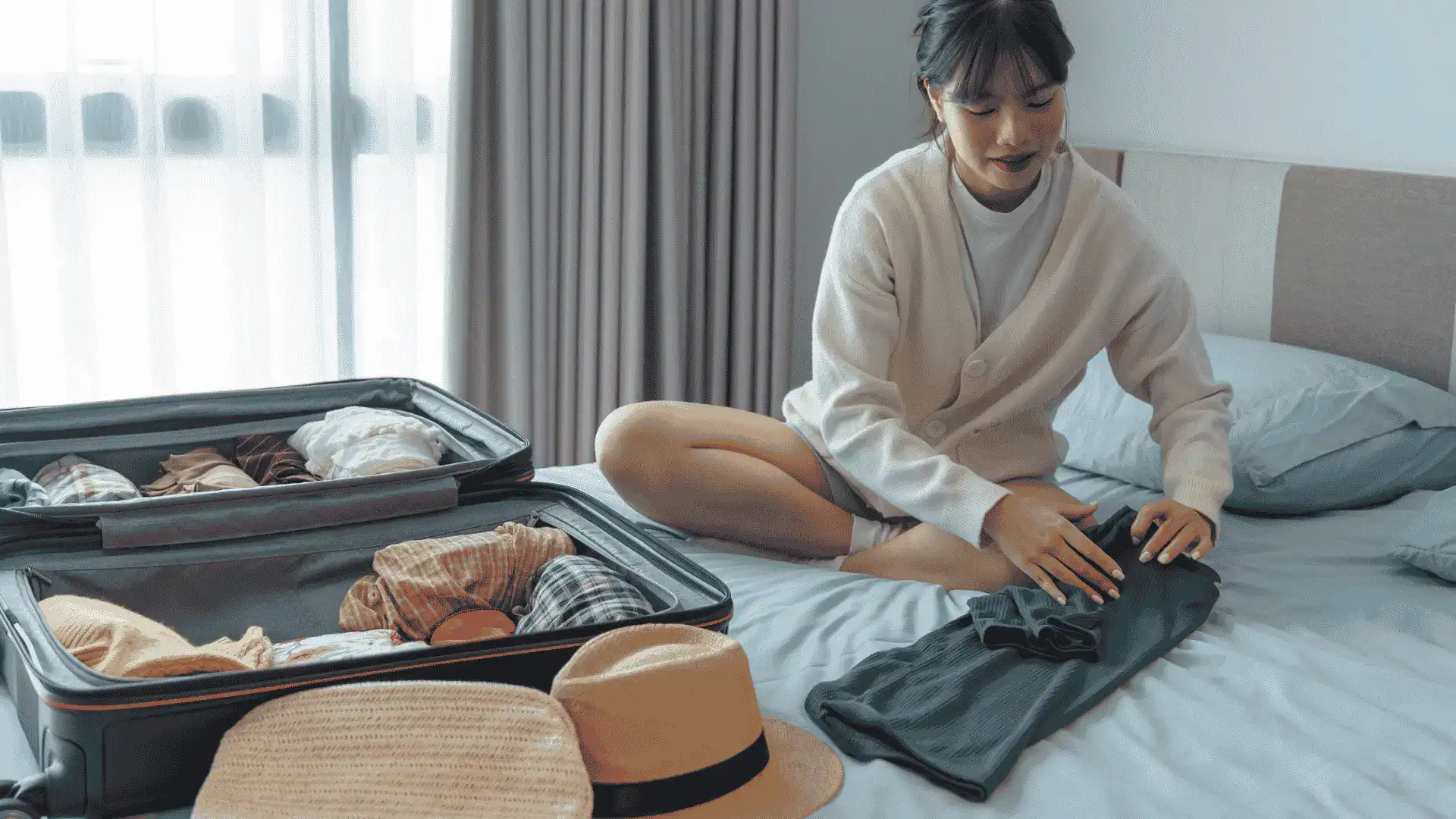
Buddhist Pilgrimage Packing List: 25 Ultimate Essentials for Thai Groups
Imagine this. You arrive at the Mahabodhi Temple in Bodh Gaya at 5 a.m.; the air is cold, the stupa is glowing under soft floodlights, and your group is ready to chant under the sacred Bodhi Tree. Then you realize the warm shawl is back at the hotel in Varanasi.
Small packing mistakes like this can change the energy of an entire pilgrimage day. We have been organizing Buddhist pilgrimage tours for Thai groups since 1999, and this is exactly why we built this Buddhist pilgrimage packing list. It comes from real experience, real groups, and real winter mornings at sacred sites.
Plus, India is not Thailand. The temperatures, the food, the toilets, the road distances—all of it asks for slightly different preparation. So before you zip your suitcase, please read this guide carefully. It will save your group time, money, and a lot of stress.
You can verify our credentials anytime. We are listed on the Ministry of Tourism, Government of India, Verified Tour Operator, and we are a proud IATO Member, Indian Association of Tour Operators.
Why a Smart Buddhist Pilgrimage Packing List Matters for Thai Pilgrims
Thailand is warm and humid almost all year. North India in winter, October to February, can drop to 5 to 10 degrees Celsius in the early morning, especially in Lumbini, Sravasti, and Kushinagar.
Plus, you will visit 7 to 9 sacred sites in 8 to 12 days. That means daily luggage shifting, long bus rides, and removing shoes at every temple gate. Your packing decisions affect the whole group’s comfort.
Here’s the thing. Most Thai travelers we host pack like they are going on a normal holiday. A pilgrimage is different. You need fewer fashion items, more practical items, and a few sacred items that hotels in India cannot provide.
Section 1: Travel Documents and Money, 5 Essentials
These come first. If documents are wrong, the temple does not matter.
- Passport with 6 months’ validity, plus 2 photocopies. Keep one copy with the tour leader and one in your suitcase.
- Indian e-visa printout in color. Carry the printed copy even if it is on your phone; immigration officers prefer paper.
- Tour confirmation voucher from your operator. We always email this 7 days before departure.
- Travel insurance certificate with a 24-hour emergency number.
- Indian rupees in cash, around 5,000 to 10,000 INR per person for snacks, donations, and small shopping. Plus one international debit card or credit card for backup. Tell your bank in Bangkok before you fly so the card does not get blocked in India.
Pro tip from us: keep all documents in a small zip pouch worn inside your shirt or jacket, not in your main suitcase.
Section 2: Clothing for Indian Temples and Weather, 7 Essentials
This is where most groups make mistakes. Indian Buddhist sites have specific dress rules, and the weather changes a lot between cities.
- Modest clothing covering shoulders and knees, minimum 4 sets. White, cream, and light pastel colors are perfect for pilgrimage. Bright party colors look out of place at Bodh Gaya or Sarnath.
- One full white outfit for important meditation and chanting days. Many Thai groups dress in white at the Mahabodhi Tree.
- Comfortable walking shoes that you can break in before the trip. You will walk a lot at Sravasti, Vaishali, and Nalanda ruins.
- Slip-on sandals or open shoes. You will remove your shoes at every temple and stupa, sometimes 8 times a day. Lace-up shoes will frustrate you.
- Thick socks, at least 4 pairs. Marble floors at Bodh Gaya and Lumbini get very hot in summer and very cold in winter.
- Warm jacket and pashmina shawl for October to March travel. Mornings at Lumbini and Kushinagar are chilly, sometimes 7 degrees Celsius.
- Light cotton clothes for Patna, Varanasi, and Rajgir, which stay warmer than border areas.
Insider note: Pack 2 to 3 outfit sets in your daypack so you do not need to open the main suitcase every evening.
Section 3: Health, Medication, and Hygiene, 6 Essentials
This is the most important section. Indian food, water, and air are different from Thailand. Be prepared.
- Personal prescription medicines for the full trip plus 3 extra days. Carry the original prescription in English.
- Stomach kit, including ORS sachets, anti-diarrhea tablets, antacids, and digestive enzymes. Keep this in your daypack always.
- Mosquito repellent with DEET, especially for Lumbini, Sravasti, and Vaishali. Mosquitoes are stronger at dusk near rural temple sites.
- Hand sanitizer and wet wipes. Most Indian temple toilets do not have soap or tissues.
- Sunscreen SPF 50, lip balm, and tissue packs. The North Indian sun is harsh from March onwards.
- Reusable water bottle. Hotels we book always provide filtered water for refilling; this saves money and reduces plastic.
In our experience, 80% of Thai pilgrims who get sick on tour skipped one of these items. So please pack all 6.
Section 4: Electronics and Connectivity, 4 Essentials
- Universal travel adapter. India uses Type C, D, and M plugs, different from Thailand’s Type A and B.
- Power bank, 10,000 mAh or more. Long bus journeys between sites mean phones drain quickly.
- Smartphone with offline maps and Google Translate downloaded for Thai, English, and Hindi.
- Indian SIM card or international roaming. We help our groups buy a local Airtel or Jio SIM at the airport on arrival, much cheaper than roaming.
Section 5: Sacred and Personal Items, 3 Essentials
- Personal prayer beads, mala, and pocket sutra book. Many of our groups also carry a small Buddha image to place on the hotel bedside table.
- Offering items. We recommend you buy fresh lotus flowers, incense, and gold leaf locally at each temple; it’s fresher and supports local communities. But carry a small offering kit from Thailand if your monk requests specific items.
- A small notebook and pen for jotting down dharma reflections, monk teachings, and group memories. Many travelers tell us this becomes their most precious souvenir.
What NOT to Pack on a Buddhist Pilgrimage to India
To save space and weight, leave these items at home.
- Heavy perfume. Strong smells distract from meditation and offend monks.
- Expensive jewelry. It draws unwanted attention at busy stations.
- Too many shoes. Two pairs are enough.
- Laptops if you will not use them. Just extra weight.
- Large cameras with telephoto lenses. Your phone is enough at most sites, and some temples restrict big cameras.
Smart Packing Tips from Prime Value Tours
After 25 years organizing Buddhist tours, here are our top 5 tips.
- Use 3 packing cubes inside your suitcase, one for clothes, one for toiletries, and one for sacred items. Saves 10 minutes every morning.
- Bring a small day backpack for daily site visits; leave the big suitcase in the hotel.
- Label all luggage with English name, phone number, and Thailand address. Hindi labels confuse Indian porters.
- Carry one printed copy of your full itinerary, plus our emergency contact card.
- Pack 2 small empty fabric bags. Useful for muddy shoes, wet umbrellas, and last-day souvenirs.
If you follow these tips, your group will move through 8 cities with much less stress. We have seen it work for 200 plus Thai groups already. For deeper pilgrimage planning ideas, please read our full Buddhist Pilgrimage Guide for India and Nepal. To start your booking, visit our Plan Your Trip page.
| Plan Your Buddhist Pilgrimage with Prime Value Tours We have been organizing pilgrimage and cultural tours across India since 1999, with a special focus on Buddhist circuit tours for Thai and Southeast Asian groups. We are a Ministry of Tourism-approved operator and proud IATO member. Our team in Varanasi and Lumbini handles every detail, from airport pickup to temple offerings. Contact us today to design your perfect itinerary: Phone: +91-542-2500113 WhatsApp: +91-9794122849 Email: info@primevaluetours.com Website: www.primevaluetours.com LINE: https://line.me/ti/p/6QtZRvYpeP We speak English and are happy to assist Thai-speaking groups. |
FAQ: Buddhist Pilgrimage Packing List for Thai Groups
Q1. Can monks pack the same way as lay pilgrims?
Mostly yes, but monks should add 2 extra saffron robes, an extra set of sandals, and their personal alms bowl. We recommend monks travel with a slightly larger duffel for robe storage.
Q2. What is the maximum baggage allowance for India tours?
Most flights from Bangkok to Delhi or Kolkata allow 30 kg checked plus 7 kg carry-on. We always confirm exact rules with your specific airline 3 days before departure.
Q3. Are Thai SIM cards usable in India?
Roaming works, but it is expensive. We help our groups buy an Indian Airtel or Jio SIM at the airport for around 600 INR with 28 days of data and calls.
Q4. Should I pack food from Thailand?
A few comfort snacks are fine; instant noodles, energy bars, and Thai dried fruit travel well. But Indian hotels we use serve good vegetarian food, including Thai-friendly options at our partner properties.
Q5. Do I need any vaccinations before a Buddhist pilgrimage to India?
Hepatitis A and typhoid are recommended. Please check with your doctor in Bangkok at least 4 weeks before travel. Carry the vaccination card with your other documents.
Final Word: Pack Light, Travel Sacred
A well-packed bag is the first step on a successful pilgrimage. When you arrive at Bodh Gaya with the right clothes, the right medicine, and the right intention, your spirit is free to focus on the dharma, not on missing items. May your journey be blessed, and may your group return home with peace, photos, and stories to share for a lifetime.