
Best Time for Buddhist Pilgrimage in India: Month-by-Month Guide for Thai Groups
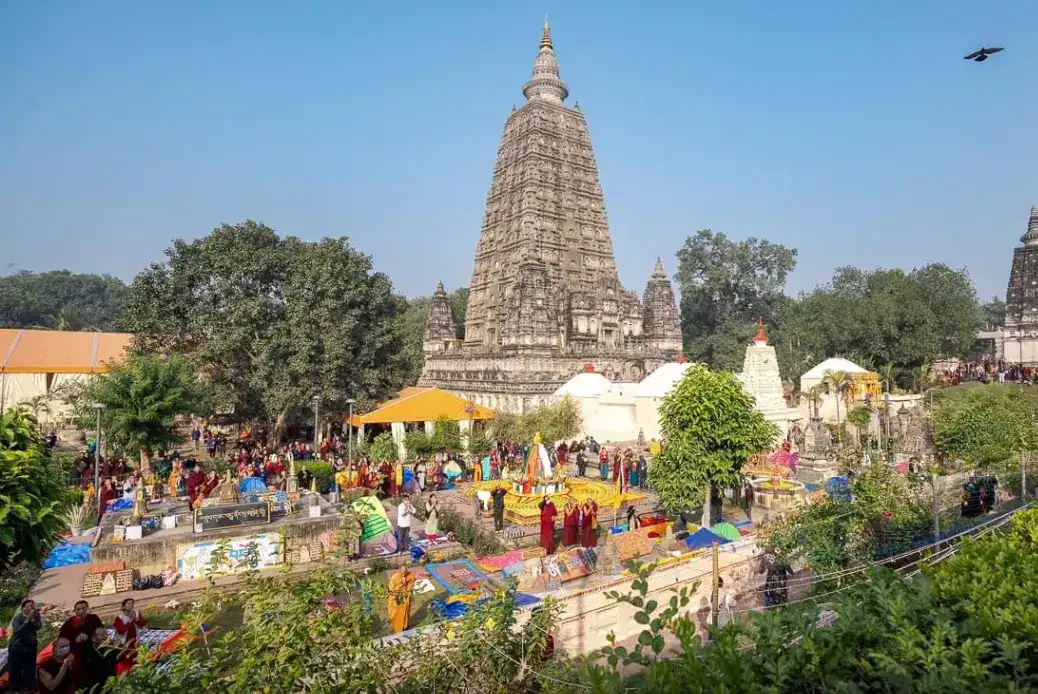
Every pilgrimage begins with the same question, asked in temple halls and committee meetings long before a single ticket is booked: when should we go? It is a practical question, but it is also a spiritual one. The right season allows a group to walk slowly at the Mahabodhi Temple, to sit quietly at Sarnath at dawn, and to feel the ground the Buddha walked without the distraction of exhaustion.
The short answer is this: the best time for Buddhist pilgrimage in India is October through March, and November through February is the finest window of all. But the honest answer depends on your group — their age, their budget, and which sacred days matter most to your wat. This guide walks through the year month by month, so that you can choose with confidence.
The Short Answer: Best Months at a Glance
| Rating | Months | Why |
| Excellent | November, December, February | Cool, dry, clear. Comfortable walking at every site. |
| Very Good | October, January, early March | Pleasant overall; January brings morning fog, March warms quickly. |
| Possible | Late March, April, September | Hot or humid. Workable with early starts and shorter days. |
| Challenging | May, June, July, August | Heat above 40°C or heavy monsoon rain. Only for specific holy days. |
If your group includes elderly pilgrims or senior monks, stay inside the Excellent window. Comfort is not a luxury on pilgrimage — it is what allows the mind to stay with the dhamma rather than with the body.
Month-by-Month Guide to the Buddhist Circuit
The figures below reflect typical conditions across Bihar and Uttar Pradesh — the states that hold Bodh Gaya, Sarnath, Kushinagar, Rajgir and Shravasti. Lumbini, just across the Nepal border, follows a very similar pattern.
| Month | Temperature | Conditions | Notes for Group Leaders |
| October | 20–33°C | Monsoon ending, humid early | Season opens. Excellent for Kathina groups. Book early. |
| November | 12–29°C | Cool, dry, clear skies | Arguably the finest month of the year. |
| December | 8–24°C | Cold mornings, bright days | Peak season. Fog risk builds late in the month. |
| January | 7–23°C | Coldest; dense morning fog | Beautiful but fog delays flights and trains. Build buffer days. |
| February | 11–28°C | Warm days, cool nights | Superb. Coincides with Makha Bucha. |
| March | 17–34°C | Warming quickly | First half comfortable; second half turns hot. |
| April | 23–39°C | Hot and dry | Early starts essential. Songkran travellers should expect real heat. |
| May | 26–42°C | Very hot | Visakha Bucha month. Spiritually powerful, physically demanding. |
| June | 27–40°C | Hot, humid, pre-monsoon | The most difficult month for walking pilgrimage. |
| July | 26–35°C | Monsoon rain | Asalha Puja month. Green, quiet, but wet roads slow transfers. |
| August | 26–34°C | Heaviest rainfall | Low season. Lowest prices, highest disruption risk. |
| September | 25–33°C | Rain easing, very green | Improving. Good value in the second half. |
Winter (October to March): The Pilgrimage Season
This is when the circuit comes alive. Monasteries from Thailand, Sri Lanka, Myanmar and Bhutan fill Bodh Gaya, and the atmosphere at the Bodhi Tree is extraordinary — thousands chanting in a dozen languages beneath the same branches. Days are bright and dry, and a group can comfortably manage two or three sites without fatigue. The trade-off is demand: hotels in Bodh Gaya are genuinely scarce from mid-December to mid-February.
Summer (April to June): For the Determined
Temperatures on the Gangetic plain routinely pass 40°C. Pilgrimage is still possible, and some of the most sincere groups travel now because the holy days call them. If you must travel in summer, keep site visits to before 10 a.m. and after 4 p.m., use air-conditioned coaches, shorten the itinerary, and carry oral rehydration salts for every pilgrim.
Monsoon (July to September): Quiet and Green
The rains transform Bihar into something soft and green, and the sites are almost empty. There is a certain rightness to it — the Buddha himself paused his wandering during vassa, the rains retreat. Costs fall sharply. But roads flood, transfers run late, and the Rajgir hill climb becomes slippery. It suits patient, flexible groups rather than first-time pilgrims.
Planning Around the Thai Buddhist Calendar
For most Thai groups, the calendar matters more than the thermometer. Standing at the exact place where an event occurred, on the day the sangha commemorates it, is a merit that no comfortable weather can replace. Here is how the major Thai observances align with Indian conditions.
| Observance | 2027 Date | How It Fits the Indian Pilgrimage |
| Makha Bucha | 21 February | Excellent alignment. Perfect weather and a deeply meaningful day at Rajgir, where the Buddha addressed the fourfold assembly. |
| Songkran | 13–15 April | Convenient for Thai leave, but India is hot. Best for younger, fitter groups. |
| Visakha Bucha | 20 May | The most sacred day, at the most demanding time. Bodh Gaya and Lumbini are unforgettable — plan a shorter, slower itinerary. |
| Asalha Bucha | 18 July | Directly connected to Sarnath, where the first sermon was given. Monsoon, but spiritually unmatched at that site. |
| Khao Phansa | 19 July | Rains retreat begins. Many wat groups return home before this date. |
| Ok Phansa & Kathina | October–November | The finest combination of all: robe-offering merit plus the best weather of the year. |
Please note: Thai lunar holy days are confirmed by the Cabinet closer to the year, so treat the dates above as provisional and verify them annually before publishing your temple’s travel plan.
If your wat is planning a Kathina pilgrimage, October and November deserve serious consideration. You gain the merit of the robe-offering season and the clearest skies of the year in a single journey. Our Buddhist tour packages for India are built around exactly this kind of combined planning.
Timing by Sacred Site
Each site rewards a slightly different approach, and a well-planned itinerary accounts for this.
- Bodh Gaya (Bihar): November to February is the heart of the season. Book accommodation 6 to 9 months ahead — Thai, Tibetan and Sri Lankan groups compete for the same rooms.
- Sarnath and Varanasi (UP): Comfortable from October to March. Visit Sarnath early in the morning, when the Dhamek Stupa catches first light and the deer park is quiet.
- Kushinagar (UP): Best from November to February. The Parinirvana Temple is calmest in the late afternoon, before evening chanting begins.
- Lumbini (Nepal): October to March. The Terai plain becomes very hot in May and floods during the monsoon.
- Rajgir and Nalanda (Bihar): Cooler than the plains, with slightly kinder conditions. Avoid summer for the Gridhakuta Hill climb — the ascent is steep and exposed.
- Shravasti and Vaishali (UP/Bihar): Winter only. Both involve longer road transfers, which are far more pleasant in dry conditions.
Practical Planning Notes for Group Leaders
Book Earlier Than You Think
For peak-season travel between December and February, begin planning 9 to 12 months in advance. Bodh Gaya has limited quality accommodation, and a group of 35 pilgrims cannot be placed at short notice. Off-peak travel can be arranged in 2 to 3 months.
Respect the Winter Fog
From late December through January, dense morning fog can delay flights into Gaya and Varanasi and slow trains considerably. This is not a reason to avoid the season — it is a reason to build one buffer day into the itinerary and to avoid scheduling tight international connections on the final morning.
Three Mistakes Worth Avoiding
- Packing too many sites into too few days. The circuit spans roughly 1,200 km. Eight to ten days is a realistic minimum for the core sites.
- Underestimating the cold. Bihar mornings in January can drop to 7°C. Thai pilgrims are frequently unprepared — advise warm layers.
- Booking summer travel without adjusting the pace. The same itinerary that works in December will exhaust a group in May.
A detailed route breakdown is available in our Buddhist pilgrimage guide for India and Nepal, which sets out distances, suggested durations and site-by-site guidance.
Frequently Asked Questions
Q: What is the single best month for a Thai group to visit the Buddhist circuit?
November. Daytime temperatures sit comfortably between 20°C and 29°C, skies are clear after the monsoon, and the fog of deep winter has not yet arrived. February is a very close second, and it carries the added merit of Makha Bucha.
Q: Is it worth travelling in May for Visakha Bucha despite the heat?
For many groups, yes. Standing at Bodh Gaya on Visakha Bucha is a once-in-a-lifetime experience. But the itinerary must be adapted — fewer sites, early morning visits, air-conditioned transport and generous rest periods. We plan summer pilgrimages very differently from winter ones.
Q: How many days do we need for the full Buddhist circuit?
Eight to ten days covers Bodh Gaya, Sarnath, Kushinagar, Lumbini, Rajgir and Nalanda at a respectful pace. Twelve to fourteen days allows Shravasti and Vaishali as well, with time for meditation at each site rather than a rushed visit.
Q: Will Thai-speaking guides be available in peak season?
Yes, provided you book in advance. Thai-speaking, dhamma-literate guides are limited in number across India, and December to February is when demand is highest. This is one more reason to confirm your dates early. You can read more about our approach on why groups choose Prime Value Tours.
Q: Can vegetarian and monk-appropriate meals be arranged in every season?
Yes. We arrange vegetarian meals throughout the circuit, and we observe the correct timing for monks who take their final meal before midday. Further practical details are answered on our frequently asked questions page.
Begin Your Sacred Journey
If a month has already come to mind as you read, perhaps that is worth listening to. Choosing the right season is the first act of care a group leader offers their pilgrims.
At Prime Value Tours, we have walked alongside Buddhist pilgrims for over 27 years — from the Bodhi Tree at Bodh Gaya to the quiet gardens of Lumbini. We are recognised by the Ministry of Tourism, Government of India and are a member of IATO, the Indian Association of Tour Operators.
We would be honoured to help you plan. Reach out to us — there is no obligation, only a conversation about what your journey could look like.