
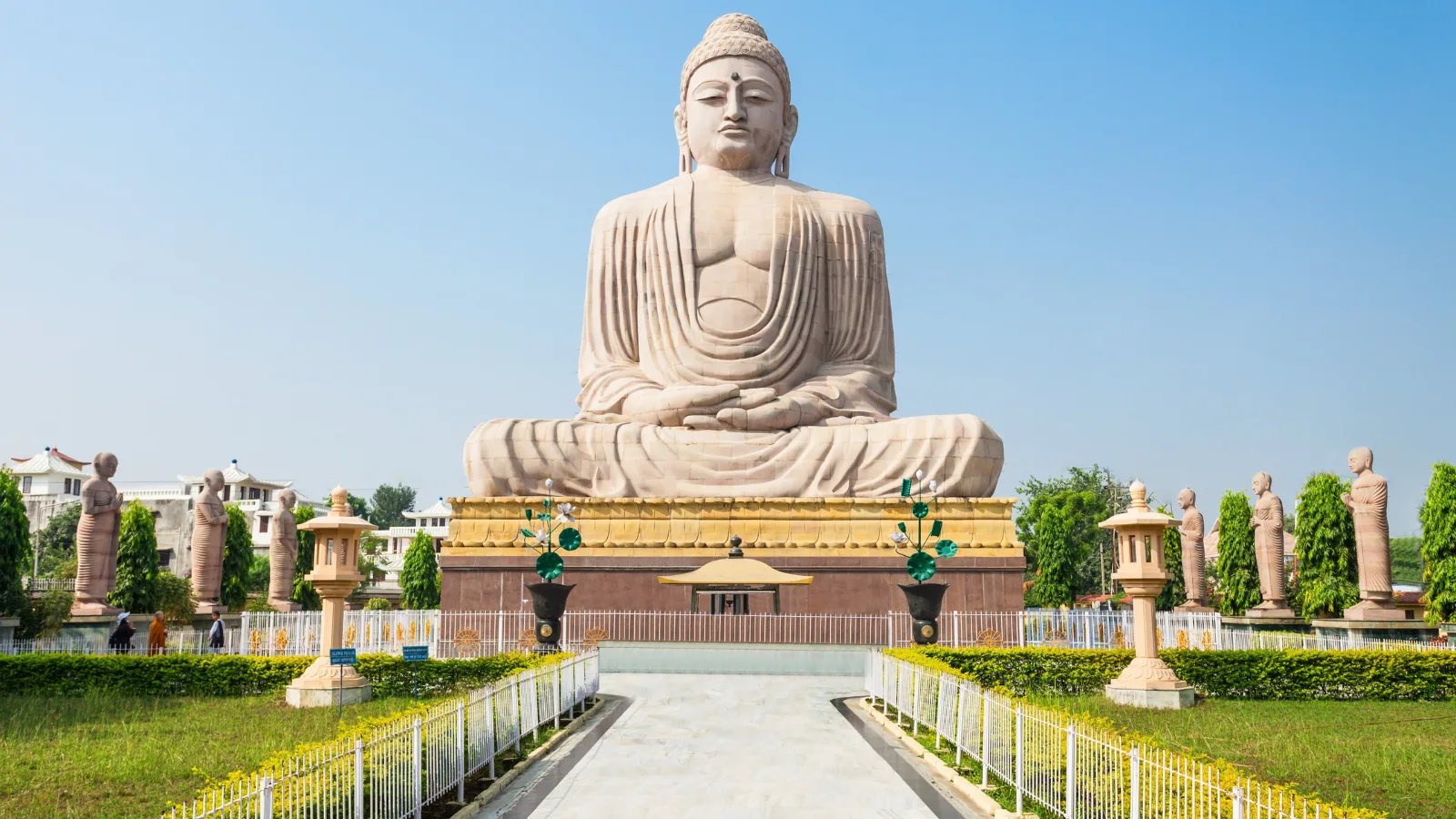
Best Time to Visit Bodh Gaya from Thailand | Month-by-Month Guide 2026
When should Thai Buddhist pilgrims visit Bodh Gaya? Month-by-month weather guide, flight info, festival calendar, fog warnings, and seasonal tips from a tour operator with 25+ years of experience.
Choosing the right time to visit Bodh Gaya can make the difference between a comfortable, deeply spiritual pilgrimage and a difficult trip filled with delays, extreme heat, or unexpected challenges.
For Thai Buddhist pilgrims flying from Bangkok, the timing decision involves more than just weather. You need to think about flight availability, festival dates, fog season at Gaya Airport, hotel availability during peak months, and how the weather affects outdoor meditation and temple visits across the entire Buddhist Circuit.
After guiding Thai pilgrimage groups to Bodh Gaya for over 25 years, we have experienced every season, every weather surprise, and every festival celebration at the Mahabodhi Temple. This guide shares what we have learned — not from a textbook, but from real experience on the ground, season after season.
The short answer: October to March is the best time for Thai pilgrims to visit Bodh Gaya. But within those six months, each period has its own character, advantages, and things to watch out for. Let us break it down month by month.
Quick Overview: Seasons at a Glance
| Season | Months | Temperature | Our Recommendation |
|---|---|---|---|
| Early Winter | October – November | 18°C – 30°C | Excellent — pleasant weather, fewer crowds |
| Peak Winter | December – February | 5°C – 22°C | Best for festivals, but prepare for cold and fog |
| Spring | March – April | 22°C – 38°C | Good in March, gets hot by April |
| Summer | May – June | 35°C – 45°C | Very hot — not recommended for groups |
| Monsoon | July – September | 26°C – 35°C | Rainy, humid — avoid for pilgrimage groups |
Month-by-Month Guide for Thai Pilgrims
October: The Season Opens
October marks the end of the monsoon and the beginning of the pilgrimage season. The rain stops, the skies clear, and Bodh Gaya starts welcoming visitors again. The temperature is warm but comfortable — around 25°C to 30°C during the day, cooling down to 18°C at night.
Why October works well: Fewer crowds than the peak winter months. Hotels are easier to book and often more affordable. The Mahabodhi Temple grounds are green and lush from the recent rains. Outdoor meditation under the Bodhi Tree is comfortable.
What to watch out for: Some late monsoon showers are still possible in early October. Humidity can be moderate. A few services and monastery programmes may not have started their winter schedules yet.
Best for: Groups that prefer a quieter, less crowded pilgrimage experience.
November: The Sweet Spot
November is one of our favourite months to bring Thai groups to Bodh Gaya. The weather is nearly perfect — daytime temperatures around 22°C to 28°C with cool, pleasant evenings. The air is clear, the sky is blue, and the pilgrimage season is in full swing without being overcrowded.
Why November works well: Comfortable weather all day and night. No fog or flight delay risks. Meditation outdoors is pleasant. The Mahabodhi Temple is active but not overwhelmingly packed. Direct flights from Bangkok to Gaya operate smoothly.
What to watch out for: Hotel demand starts rising towards the end of November as the peak season approaches. Book at least 4-6 weeks in advance.
Best for: Thai groups looking for the best balance of weather, crowd levels, and flight reliability.
December: Festival Season Begins (But Watch the Fog)
December brings a special energy to Bodh Gaya. The Kagyu Monlam Prayer Festival typically begins in mid-to-late December, attracting thousands of Tibetan Buddhist monks and practitioners from around the world. The Mahabodhi Temple area is alive with chanting, prayer flags, and spiritual energy from morning to night.
The weather is cold by Thai standards — daytime around 18°C to 22°C, and nights dropping to 6°C to 10°C. For pilgrims coming from Bangkok’s tropical climate, this is a significant change. Warm clothing is essential.
Why December works well: Incredible spiritual atmosphere during the Kagyu Monlam. The cool weather is perfect for long meditation sessions. The Bodhi Tree area feels especially peaceful in the crisp winter air.
The fog warning: This is something we must be honest about. From mid-December onwards, dense fog can affect Gaya Airport operations. We have experienced this many times with our Thai groups — flights from Bangkok arrive on time, but the landing at Gaya gets delayed by 2 to 4 hours, or in severe cases, flights are diverted to Patna or Varanasi.
This does not happen every day, but it happens often enough that you should plan for it. Our advice:
- Book morning flights when possible — fog is usually worst in the very early morning and clears by mid-morning
- Keep your itinerary flexible on arrival day — do not plan a major site visit immediately after landing
- Have a backup transport plan in case of diversion (we always arrange standby vehicles at Patna and Varanasi airports for our groups)
- If your group has elderly members or tight schedules, consider November instead
Best for: Pilgrims who want to experience the Kagyu Monlam and do not mind cold weather and possible fog delays.
January: Coldest Month — Beautiful but Challenging
January is the coldest month in Bodh Gaya. Daytime temperatures range from 15°C to 20°C, but mornings and nights can drop to 3°C to 7°C. For Thai pilgrims used to 30°C+ weather in Bangkok, this is genuinely cold. We always remind our groups to pack proper winter clothing — thermal innerwear, a warm jacket, gloves, and a scarf or hat.
The fog continues: January has the highest risk of fog-related flight disruptions at Gaya Airport. This is the month where we have seen the most delays and diversions over the years. Plan with extra buffer days if possible.
Why January still works: The spiritual atmosphere is at its peak. The Kagyu Monlam continues into early January. Global Buddhist communities are present in large numbers. The cold weather creates a meditative, introspective mood. If you are well-prepared for the cold and flexible with your travel schedule, January can be a profound experience.
Packing essentials for January:
- Thermal innerwear (top and bottom)
- Heavy winter jacket or down jacket
- Warm hat, scarf, and gloves
- Warm socks (temple floors are cold when you remove shoes)
- Hand warmers (optional but appreciated by elderly pilgrims)
- Hot water flask (hotels can fill this for you each morning)
Best for: Groups that are well-prepared for cold weather and want the most intense spiritual atmosphere.
February: Winter Softens
February brings relief from the extreme cold. Temperatures rise to 18°C to 26°C during the day, and fog becomes less frequent by mid-February. The pilgrimage season is still active, but the peak festival crowds have thinned out. This is another excellent month for Thai groups.
Why February works well: Warmer than December-January but still pleasant. Fog risk drops significantly. Direct Bangkok-Gaya flights operate more reliably. Hotels are slightly easier to book than the December-January peak. Meditation outdoors is comfortable again.
What to watch out for: Some early February days can still be cold, especially in the first week. By late February, you may notice the weather warming up noticeably.
Best for: Groups that want winter-season benefits without the extreme cold or fog disruption risk.
March: Last Call Before Summer
March is the transition month. Early March (first two weeks) still offers pleasant weather — around 22°C to 30°C — and is perfectly suitable for a comfortable pilgrimage. By late March, temperatures start climbing towards 35°C, and the heat becomes noticeable during midday hours.
Why early March works: Good weather, smaller crowds, better hotel availability, and lower prices compared to peak season. No fog risk at all. Flights operate without weather disruptions.
What to watch out for: Late March can get warm. If your group includes elderly members, the increasing heat may reduce comfort for outdoor activities. Midday temple visits become less pleasant.
Best for: Budget-conscious groups or those who could not schedule during the winter months.
April to June: Summer — Not Recommended
We do not recommend bringing Thai pilgrimage groups to Bodh Gaya between April and June. Temperatures regularly exceed 40°C, and in May-June can reach 45°C. Walking between sites, meditating outdoors, and even moving from the bus to the temple entrance becomes physically exhausting and potentially dangerous, especially for elderly pilgrims.
The Mahabodhi Temple is still open and functional, and Buddha Purnima (the celebration of Buddha’s birth, enlightenment, and passing) falls in May — it is a major event with beautiful ceremonies. However, the extreme heat makes it impractical for most Thai groups.
If your group specifically wants to attend Buddha Purnima, plan for early morning and late evening activities only, ensure your hotel has reliable air conditioning, and carry plenty of water at all times.
July to September: Monsoon — Best to Avoid
The monsoon season brings heavy rainfall, high humidity, muddy roads, and the risk of flooding in low-lying areas. Flight cancellations and train delays increase significantly. While Bodh Gaya has a certain quiet beauty in the rain and very few tourists visit, the practical challenges make it unsuitable for organised pilgrimage groups.
Flights from Bangkok to Gaya: What Thai Pilgrims Need to Know
One of the biggest advantages for Thai pilgrims is the availability of direct flights from Bangkok (Suvarnabhumi) to Gaya International Airport. This makes Bodh Gaya one of the most accessible Buddhist pilgrimage destinations from Thailand.
Key flight information:
- Direct flight time: approximately 3 to 3.5 hours
- Airlines operating direct routes vary by season — check with your tour operator for the latest schedules
- Peak season (November to February) has the most frequent direct flights
- During off-peak months, you may need to connect through Delhi or Kolkata
- Gaya Airport (GAY) is a small airport — immigration and baggage collection are usually quick
- The drive from Gaya Airport to Bodh Gaya town takes about 30-40 minutes
The fog factor for flights: As mentioned above, December and January bring fog to the Gaya region. This can delay inbound flights, especially those scheduled for early morning arrival. In our experience, afternoon flights tend to be more reliable during fog season. We always advise our Thai groups to:
- Arrive a day before any major scheduled activity
- Keep the arrival day flexible for rest and adjustment
- Not book onward travel on the same day as arrival during fog season
For more details on reaching other sites on the Buddhist Circuit, read our guides:
Festival Calendar for Buddhist Pilgrims (2026)
Timing your visit around a Buddhist festival adds a powerful spiritual dimension to the pilgrimage. Here are the key events:
Kagyu Monlam Prayer Festival (December – January) One of the largest Buddhist prayer gatherings in the world, held annually at Bodh Gaya. Thousands of monks and practitioners from the Tibetan Buddhist tradition gather for weeks of intensive prayer, teaching, and meditation. Even if you follow the Theravada tradition, the atmosphere is extraordinary. The chanting that fills the Mahabodhi Temple complex during Monlam is unforgettable.
Buddha Purnima / Vesak (May — full moon day) The most sacred day in the Buddhist calendar — celebrating the Buddha’s birth, enlightenment, and Mahaparinirvana on a single day. Bodh Gaya hosts special ceremonies, processions, and offerings. Thai pilgrims who celebrate Visakha Bucha at home will find a deeply meaningful connection attending Buddha Purnima at the actual site of enlightenment. However, note the extreme heat in May.
Dhamma Chakra Pravartan Day (Ashadha Purnima — July) Celebrates the Buddha’s first sermon at Sarnath. While the main celebrations happen in Sarnath, Bodh Gaya also observes this day. Falls during the monsoon, so not ideal for travel.
Thai Relevant Dates: Thai pilgrimage groups often time their visits to coincide with important dates in the Thai Buddhist calendar — such as the period before or after Makha Bucha (February full moon) or Visakha Bucha (May full moon). Visiting Bodh Gaya close to these dates adds special meaning, allowing your group to perform merit-making ceremonies at the holiest site in Buddhism.
Best Time for the Full Buddhist Circuit (Not Just Bodh Gaya)
If your pilgrimage includes multiple sites beyond Bodh Gaya — such as Sarnath, Kushinagar, Lumbini, Rajgir, Nalanda, and Sravasti — the weather consideration applies across all destinations.
The good news is that the October to March window works well for the entire circuit. All the major Buddhist pilgrimage sites in Bihar, Uttar Pradesh, and Nepal’s Terai region share a similar climate pattern.
| Destination | Winter (Oct–Mar) | Summer (Apr–Jun) | Monsoon (Jul–Sep) |
|---|---|---|---|
| Bodh Gaya, Bihar | Ideal | Very hot | Rainy |
| Sarnath, Varanasi | Ideal | Very hot | Rainy |
| Kushinagar, UP | Ideal | Hot and humid | Rainy |
| Rajgir, Bihar | Ideal | Hot | Rainy |
| Nalanda, Bihar | Ideal | Hot | Rainy |
| Lumbini, Nepal | Ideal | Hot and humid | Very rainy |
| Sravasti, UP | Ideal | Very hot | Rainy |
One exception: Lumbini in Nepal can be noticeably cooler than the Indian plains in winter, so carry an extra warm layer when crossing the border.
For a complete guide to planning a multi-site pilgrimage, read our Complete Buddhist Pilgrimage Tour from Thailand to India (2026 Guide).
Our Recommendation: The Best Month for Thai Pilgrims
If we had to choose one single month, our recommendation for Thai Buddhist pilgrimage groups is November.
Here is why:
- Weather is comfortable (22°C to 28°C) — not too hot, not too cold for Thai visitors
- No fog risk — flights from Bangkok arrive without weather delays
- The pilgrimage season is active with good spiritual energy at the Mahabodhi Temple
- Hotels are available (not yet at peak December prices)
- The entire Buddhist Circuit is at its most pleasant
- It falls after the busy Thai holiday periods, making group scheduling easier
That said, every month from October to March has its strengths. The right choice depends on your group’s priorities — festivals, budget, weather tolerance, or schedule flexibility.
Frequently Asked Questions
What is the single best month to visit Bodh Gaya from Thailand? November offers the best combination of comfortable weather, no fog delays, reasonable hotel prices, and a peaceful pilgrimage atmosphere. February is an excellent second choice.
Will I face flight delays due to fog? Fog is a real possibility from mid-December through January at Gaya Airport. It does not happen every day, but delays of 2-4 hours occur frequently. Plan your itinerary with buffer time on arrival days during this period.
How cold does Bodh Gaya get in winter? December and January nights can drop to 3°C to 7°C. For Thai visitors, this feels extremely cold. Pack thermal innerwear, a heavy jacket, warm socks, and gloves. Temple floors are especially cold when you remove your shoes for entry.
Is it worth visiting during Buddha Purnima in May? Spiritually, yes — it is the most sacred day in Buddhism and the ceremonies at Bodh Gaya are deeply moving. Practically, the 40°C+ heat makes it very challenging for groups. If you go, plan activities for early morning and evening only.
When is the cheapest time to visit Bodh Gaya? March and October offer lower hotel rates and fewer crowds compared to the November-February peak. Early March is particularly good value with still-pleasant weather.
Do direct flights from Bangkok to Gaya run all year? Direct flights are most frequent during the peak pilgrimage season (November to February). During other months, availability may be limited and you may need to connect through Delhi or Kolkata. Check with your tour operator for the latest flight schedules.
How far in advance should I book for December-January? At least 6-8 weeks in advance. December and January are the busiest months at Bodh Gaya, especially during the Kagyu Monlam. Hotels near the Mahabodhi Temple fill up quickly, and flight seats on the Bangkok-Gaya route sell out fast.
Plan Your Pilgrimage at the Perfect Time
Prime Value Tours has been organising Buddhist pilgrimage tours from Thailand to India since 1999. We know the seasons, the festivals, the flight schedules, and the practical challenges of every month — because we have experienced all of them firsthand with hundreds of Thai groups.
We will help you choose the ideal dates for your group and handle every detail — flights, hotels, vehicles, meals, guides, and temple visit coordination — so you can focus on what matters most: your spiritual journey.
Get in touch to plan your trip:
- Email: info@primevaluetours.com
- Line: line.me/ti/p/6QtZRvYpeP
- WhatsApp: +91-9794122849
- Website: primevaluetours.com