
When you think of a trip to India, two distinct journeys usually come to mind. For culture and history lovers, it is the world-famous Golden Triangle—the vibrant circuit connecting Delhi, Agra, and Jaipur. For spiritual seekers, particularly our friends from Thailand, it is the sacred Buddhist Circuit—the plains of Bodh Gaya, Sarnath, and Kushinagar.
But what if you could combine the two?
If you are a Thai traveler looking to experience India’s most iconic architectural wonders while still nurturing your spiritual practice and paying homage to the Lord Buddha, you can beautifully merge these paths. With direct flights from Bangkok to New Delhi taking just over four hours, the Golden Triangle is incredibly accessible.
Here is how you can experience the Golden Triangle with a Buddhist Twist—a journey blending imperial palaces, magnificent monuments, and ancient Buddhist heritage, tailored perfectly for Thai pilgrims.
Why the Golden Triangle is Perfect for Thai Travelers
For many Thai pilgrims, visiting the primary Buddhist sites in rural Bihar and Uttar Pradesh is a lifelong dream. However, the travel infrastructure in those deep rural areas can sometimes be challenging.
The Golden Triangle offers a softer, highly comfortable introduction to India. You have access to world-class hotels, excellent roads, luxury transport, and a diverse culinary scene. Adding a “Buddhist twist” to this route means you get the best of both worlds: the comfort and grandeur of India’s most famous cities, alongside quiet moments of profound spiritual connection.
Let’s break down the itinerary city by city.
1. Delhi: The Imperial Gateway and Sacred Relics
Your journey begins in India’s bustling capital. While Delhi is famous for its Mughal and British-era monuments, it holds deep significance for Buddhists.
The National Museum: A Pilgrimage in the City
For Thai pilgrims, a visit to the National Museum in New Delhi is an absolute must. Deep within the museum’s ancient artifact wings lies a sacred gallery housing the holy relics of the Lord Buddha, discovered in Piprahwa (historically identified as Kapilavastu).
The Experience: The relics are beautifully enshrined in a Thai-style golden pavilion, donated by the Thai royal family. It is a deeply moving experience to sit quietly, chant the Itipiso, and meditate in the presence of these sacred relics right in the heart of the capital.
Buddha Jayanti Park
Located on the Delhi Ridge, this sprawling, meticulously manicured park was created to commemorate the 2,500th anniversary of the Buddha’s enlightenment.
The Twist: The park is home to a sacred Bodhi Tree sapling, brought directly from Anuradhapura in Sri Lanka (which itself grew from a cutting of the original Bodhi Tree in Bodh Gaya). It offers a serene, green sanctuary for morning meditation before exploring the chaotic charm of Delhi.
2. Agra: The Taj Mahal & The Gateway to Sankissa
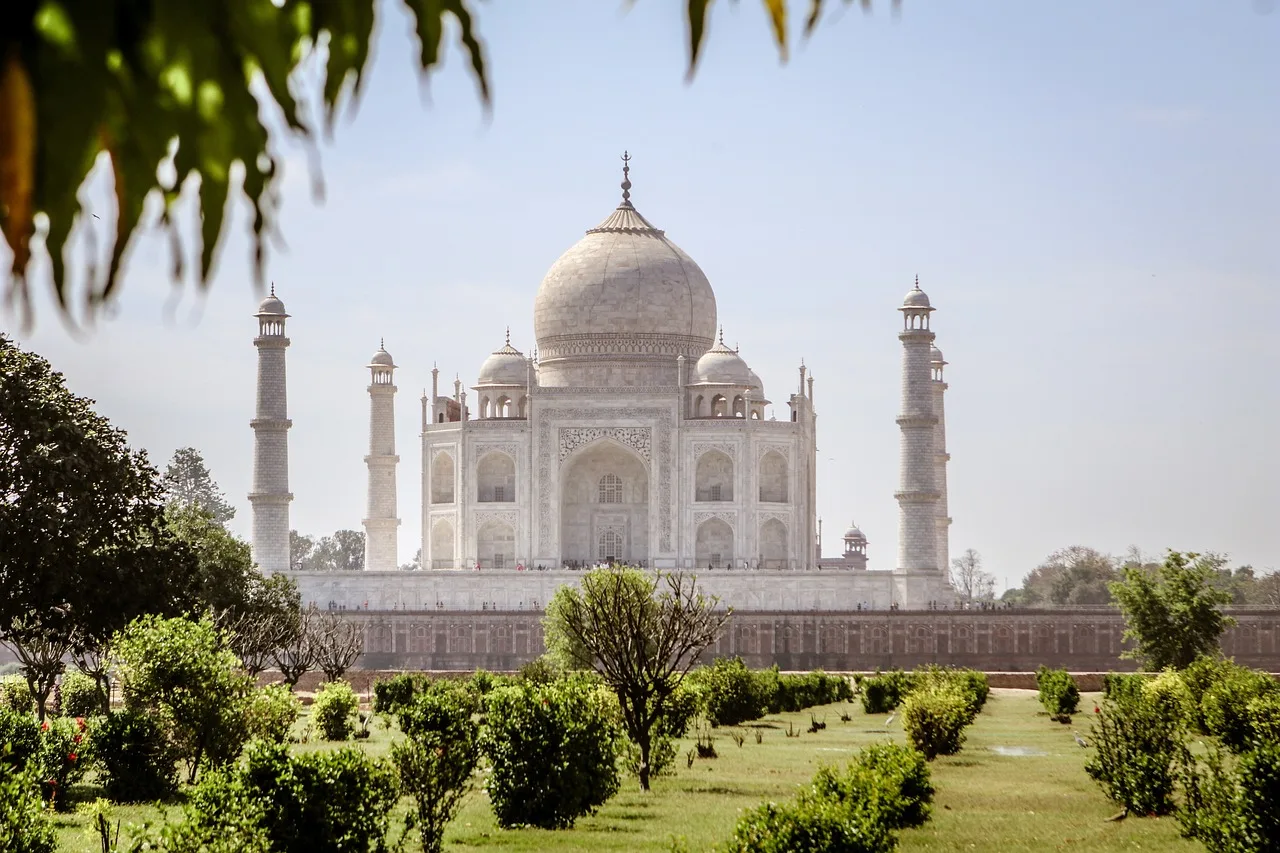
A three-hour drive via a modern expressway brings you to Agra, the home of the Taj Mahal. While Agra itself is primarily celebrated for its Mughal heritage, it serves as an excellent base for a deeply significant Buddhist excursion.
Experiencing the Taj Mahal Mindfully
The Taj Mahal is a monument to eternal love, but a Buddhist traveler can look at it through the lens of Anicca (impermanence). Built by Emperor Shah Jahan out of grief for his late wife, the monument is a breathtaking reminder of the fleeting nature of life and worldly attachments. Walking through the quiet symmetry of the gardens at sunrise provides an unexpected atmosphere for mindful reflection.
The Buddhist Twist: A Day Trip to Sankissa
For followers of Theravada Buddhism, Sankissa is a highly venerated site. According to Buddhist texts, this is the exact spot where the Lord Buddha descended to earth from the Tavatimsa Heaven (Daowadung) after teaching the Abhidhamma to his mother for three months.
The Logistics: Sankissa is located about 3.5 to 4 hours away from Agra. Many Thai pilgrims use Agra as their luxury base, waking up early to make the drive to Sankissa to pay their respects at the ancient Ashokan elephant pillar and the ruins of the descent stupa, before returning to Agra for a comfortable evening.
3. Jaipur & Bairat: The Pink City’s Hidden Monasteries
The final point of the Golden Triangle is Jaipur, the flamboyant capital of Rajasthan, famous for its pink-hued palaces, bustling bazaars, and majestic hill forts like the Amber Fort. But just outside the city lies a secret that few tourists know about.
The Buddhist Twist: The Ruins of Bairat (Viratnagar)
Located about 85 kilometers (a 1.5-hour drive) from Jaipur is the ancient town of Bairat. During the time of the Mauryan Empire in the 3rd century BCE, this was a thriving center of Buddhism supported by Emperor Ashoka himself.
Bijak-ki-Pahari: Here, situated on a peaceful, windswept hill, you will find the fascinating ruins of a circular Buddhist stupa and a monastery (Chaityagriha). It is one of the oldest freestanding Buddhist structures in India.
Ashokan Rock Edicts: Emperor Ashoka left two minor rock edicts here, expressing his deep faith in the Buddha, the Dhamma, and the Sangha.
The Experience: Because it is entirely off the main tourist trail, Bairat is incredibly peaceful. It is the perfect place to sit among the ancient brick foundations, light a stick of incense, and meditate on the ancient monks who lived and practiced here over two millennia ago.
Practical Tips for Thai Travelers in India
To ensure your Golden Triangle pilgrimage is as smooth and joyful as possible, keep these cultural and practical tips in mind:
Food & Flavors: Indian food is richly spiced and delicious, but it can feel heavy after a few days. For Thai travelers who might miss the zesty, sour-spicy profile of Thai cuisine, do not hesitate to pack some Nam Prik (chili paste) or instant noodles for a taste of home. Most premium hotels in Delhi, Agra, and Jaipur also have excellent Asian restaurants offering Thai and Chinese options if you need a break from curry.
Weather: The best time to experience this route is during the Indian winter, from November to February. The weather is cool, dry, and perfect for exploring monuments and meditating outdoors. Avoid May and June, as the summer heat in Rajasthan and Agra can be exhausting.
Shopping in Jaipur: Thai travelers often love high-quality textiles and jewelry. Jaipur is one of the best places in the world to shop for precious gemstones, block-printed cotton, and silver jewelry. Just remember to bargain politely!
Modest Dress: Whether you are visiting a mosque, a Hindu temple, or an ancient Buddhist stupa, modesty is highly respected in India. Keep your shoulders and knees covered, and bring a light scarf or shawl—it is useful for covering your head when required, or for wrapping up during cool morning meditations.
Conclusion: A Journey of Culture and Spirit
The Golden Triangle does not have to be just a historical sightseeing tour. By taking the time to visit the holy relics in Delhi, making the journey to Sankissa from Agra, and meditating at the ancient circular stupa of Bairat near Jaipur, Thai pilgrims can transform a standard holiday into a deeply meaningful spiritual retreat.
It is a beautiful way to honor the roots of the Dhamma while experiencing the majestic, vibrant, and unforgettable spirit of India.
Contact us to start planning:
- Email: info@floralwhite-eel-181618.hostingersite.com
- Line: line.me/ti/p/6QtZRvYpeP
- WhatsApp: +91-9794122849
- Website: primevaluetours.com
May your journey be safe, peaceful, and full of blessings!