
Buddhist Night Rituals India: 7 Sacred Evening Prayers
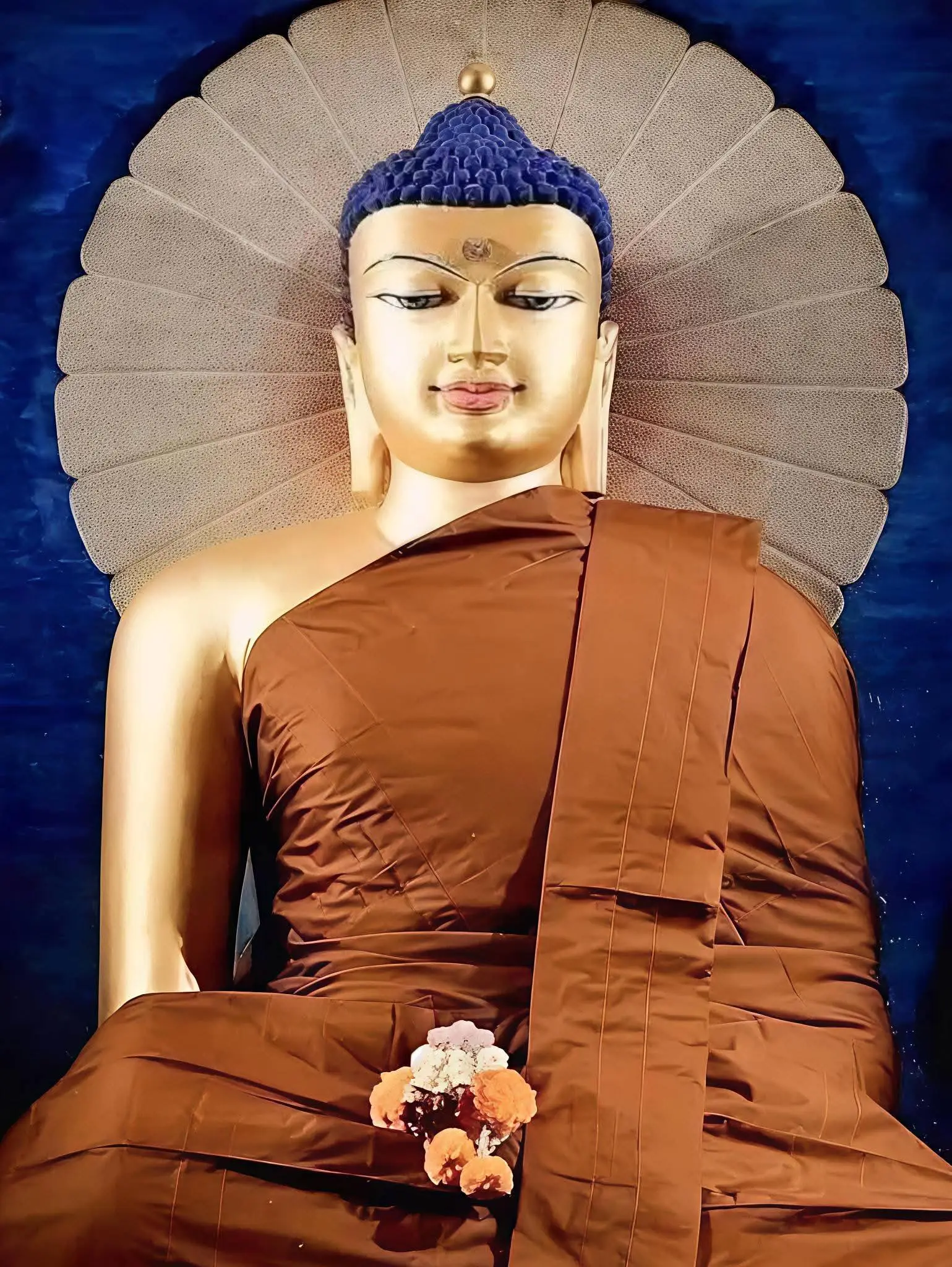
Experience Buddhist night rituals India at Bodh Gaya, Sarnath & Kushinagar. Evening prayers, lamp offerings & chanting. Book your pilgrimage today. The first time you hear a hundred monks chanting together after sunset at Mahabodhi Temple, something quietly shifts inside you. The air feels heavier. The golden Buddha seems to glow a little brighter. And for a moment, you forget the world outside.
Buddhist night rituals India has quietly kept alive for over 2,500 years are nothing like daytime temple visits. After dark, crowds thin, noise fades, and the true spiritual heartbeat of these places comes alive through flickering lamps, low chanting, and quiet devotion. If you are planning a pilgrimage, you want to plan at least two or three of these evenings into your itinerary.
In this guide, we share the 7 most powerful Buddhist night rituals India has preserved for centuries, from evening prayers at Bodh Gaya to lamp offerings at Sarnath and full moon candlelight walks at Kushinagar. These are the experiences our Thai, Sri Lankan and Southeast Asian groups remember most clearly, long after they fly home.
Why Buddhist Night Rituals Hold Such Deep Meaning
In Buddhist tradition, evening is a special time. It is when the mind naturally calms, when distractions fade, and when meditation comes more easily. Many of the Buddha’s most important events, his enlightenment under the Bodhi tree, his first teaching at Sarnath, his parinirvana at Kushinagar, are linked to specific times of day and night.
The lamp offering, for example, represents the light of wisdom dispelling the darkness of ignorance. Chanting is not just singing, it is a way of turning the teachings into sound and breath. And evening prayers are moments when pilgrims, monks and devotees unite in quiet reflection.
That is exactly why Buddhist night rituals at India’s sacred sites feel so different from any daytime temple visit. You are not just sightseeing, you are joining a living tradition.
1. Evening Chanting at Mahabodhi Temple, Bodh Gaya
If there is one night ritual every Buddhist pilgrim should experience at least once in a lifetime, it is the evening chanting session at Mahabodhi Temple. This is the exact spot where Prince Siddhartha became the Buddha under the Bodhi tree more than 2,500 years ago.
Around sunset, pilgrims from Thailand, Sri Lanka, Myanmar, Bhutan, Vietnam and Tibet gather around the sanctum. Each group chants in their own language and tradition. You might hear Pali chants from one corner, Tibetan mantras from another, and Thai sutras from yet another. Small butter lamps flicker everywhere. The air smells of incense and lotus flowers.
In our experience, visitors often describe this single hour as the most emotional of their entire Buddhist pilgrimage. Plan to stay at least 2 nights in Bodh Gaya so you don’t miss it.
2. Lamp Offerings at Sarnath, Where the Buddha First Taught
Sarnath, a short drive from Varanasi, is where Lord Buddha gave his first sermon after enlightenment. Today the towering Dhamek Stupa stands as the main marker of that historic moment.
Every evening, pilgrims light thousands of small oil lamps or diya around the stupa base. Thai and Sri Lankan groups often book a proper lamp-offering ceremony with a resident monk. You offer a lamp, kneel briefly, and make a silent wish or prayer. Many Thai families do this in memory of departed loved ones.
The visual is unforgettable: a massive ancient stupa glowing orange from the base up, surrounded by silent devotees in white and saffron. It is one of the quietest yet most moving Buddhist night rituals India has preserved for over two thousand years.
3. Full Moon Candlelight Walks During Vesak
Vesak, also called Buddha Purnima, falls on the full moon day of May each year. It marks the Buddha’s birth, enlightenment and parinirvana, all believed to have occurred on the same lunar day.
On this single night, every major Buddhist site in India holds candlelight processions. In Bodh Gaya, thousands of pilgrims walk around the Mahabodhi Temple holding lit candles. At Sarnath, the Dhamek Stupa is circled by a river of flame. Even smaller sites like Sankisa and Kaushambi glow with lamps.
If your travel dates allow, plan your pilgrimage around the Vesak full moon. The atmosphere is unlike anything else on the Buddhist circuit. We have guided Thai groups on Vesak nights for more than 20 years, and every single time it still feels fresh and powerful.
4. Sunset Chanting at Mahaparinirvana Temple, Kushinagar
Kushinagar is where the Buddha entered Mahaparinirvana, his final passing away. The reclining Buddha statue inside the main shrine is 6.1 meters long and deeply moving to see in person.
Every evening, resident Sri Lankan, Thai and Burmese monks gather inside the shrine for a short sutra chanting session. Pilgrims sit around the statue on the cool marble floor. The lights dim, and the chanting begins. This is a solemn, introspective ritual.
Many visitors tell us they find a peace here that they do not find anywhere else on the Buddhist circuit. The monks usually offer a short Dhamma talk afterwards, translated into English when Thai or Sri Lankan pilgrimage groups are present.
5. Night Meditation at Jetavana Monastery, Sravasti
Sravasti is where the Buddha spent 24 monsoon retreats, more than at any other location. Jetavana Monastery, donated by the wealthy merchant Anathapindika, is the main spot.
After sunset, the site closes to general tourists, but arranged pilgrimage groups can request a short evening meditation session inside the monastery ruins. Sitting under the stars where the Buddha himself sat and meditated, you can feel the weight of 2,500 years of practice.
A guide or monk usually leads 20 to 30 minutes of silent sitting. This is one of the more exclusive Buddhist night rituals India offers, and it needs advance arrangement. In our years of organizing Buddhist tours, we always try to include this for groups staying 2 nights in Sravasti.
6. Riverside Buddhist Evening Prayers at Varanasi
Varanasi is famous worldwide for its Hindu Ganga Aarti at Dashashwamedh Ghat. But most pilgrims don’t know there is also a quiet Buddhist ritual connection here. Since the Buddha walked from Bodh Gaya to Sarnath through Varanasi, many modern pilgrims begin or end their circuit at the holy Ganga.
Some Thai and Lao groups book a private boat ride at dusk. As the Hindu aarti rises on one side of the river, the group chants Buddhist sutras softly in Pali on the other side. The contrast is powerful.
You see two ancient traditions meeting on the same river, separated by different paths but joined by the same search for truth. It is a beautiful, unexpected highlight and one that our guests consistently remember.
7. Evening Prayers at Vishwa Shanti Stupa, Rajgir
Ancient Nalanda University once housed 10,000 Buddhist monks and scholars. While the ruins don’t host regular night rituals, nearby Rajgir’s Vishwa Shanti Stupa does.
The Vishwa Shanti Stupa, a brilliant white pagoda built by Japanese Buddhists, offers sunset chanting led by Nipponzan Myohoji monks. The Japanese drum, called uchiwa daiko, beats a slow steady rhythm as monks chant Na Mu Myo Ho Ren Ge Kyo. You reach the stupa by a short ropeway ride, which adds a gentle adventure element that families love.
This is a favorite stop for first-time pilgrims and for groups traveling with elders and children. The ropeway closes around sunset, so plan to go up by 4:30 PM.
What to Know Before You Join Buddhist Night Rituals
A few practical tips from our 25+ years of guiding pilgrimage groups across the Buddhist circuit:
- Dress modestly: long pants, covered shoulders, especially at Mahabodhi Temple Bodh Gaya
- Remove your shoes before entering any shrine, and carry socks if marble floors are cold in December or January
- Most sites open for evening rituals between 5:00 PM and 8:00 PM
- Photography is usually restricted during chanting, always ask the monk or guide first
- Carry a light shawl or wrap, evenings turn cool from October through February
- Bring a small donation, 20 to 100 INR is standard for lamp offerings
- Arrive at least 30 minutes early for major events like Vesak full moon
- Keep mobile phones on silent mode inside all shrine areas
For Thai and Southeast Asian groups especially, always verify your tour operator’s credentials before booking. Prime Value Tours is a proud IATO Member, Indian Association of Tour Operators and a Ministry of Tourism, Government of India Verified Tour Operator. That way, your pilgrimage is supported by proper licensing, experienced guides, and trusted accommodation.
If you are new to the Buddhist circuit, also read our detailed Buddhist Pilgrimage Guide for India and Nepal to plan your full route, sites and duration before confirming dates.
Plan Your Buddhist Pilgrimage with Prime Value Tours
We have been organizing pilgrimage and cultural tours across India since 1999, with a special focus on Buddhist circuit tours for Thai and Southeast Asian groups. We are a Ministry of Tourism approved operator and proud IATO member. Our team handles everything: visas, hotels, transport, monk-led ceremonies and Thai-speaking coordination support.
Ready to plan your perfect night ritual experience? Start with our Plan Your Trip page or contact us directly using the details below.
| CONTACT PRIME VALUE TOURS Phone : +91-542-2500113 Mobile : +91-9794122849 WhatsApp : +91-9794122849 LINE : https://line.me/ti/p/6QtZRvYpeP Email : info@primevaluetours.com Website : www.primevaluetours.com We speak English and assist Thai-speaking groups. |
The Journey Stays with You
Buddhist night rituals at India’s holy sites are not just tourist activities. They are living spiritual traditions, passed down for thousands of years and still practiced every single evening by devoted monks and pilgrims.
Whether you have 5 days or 15 days, plan your Buddhist circuit so that at least two or three of these evenings become part of your journey. You will come home with more than photographs. You will come home changed.
Frequently Asked Questions
Q1. What are the top Buddhist night rituals India pilgrims should not miss?
The top three are: evening chanting at Mahabodhi Temple Bodh Gaya, lamp offerings at Sarnath’s Dhamek Stupa, and Vesak full moon candlelight processions. If your dates align with the May full moon, plan your trip around Vesak for the best experience.
Q2. Can non-Buddhists attend these evening rituals?
Yes, most Buddhist night rituals in India welcome all visitors respectfully. You don’t need to be Buddhist. You only need to dress modestly, remove your shoes, and maintain silence during chanting.
Q3. What is the best time of year to experience Buddhist night rituals in India?
October to March is the ideal window. The weather is cool and clear, and major events like Vesak in May and Kathina Cheevara Dana in October-November fall within or near this season.
Q4. Do I need to book these rituals in advance?
For general evening chanting and public lamp offerings, no booking is needed. But for private meditation sessions at Jetavana Sravasti, monk-led lamp ceremonies, or Vesak group processions, advance booking through a licensed tour operator is strongly recommended.
Q5. Are photography and video allowed during the rituals?
It depends on the site. At Mahabodhi Temple, photography is allowed in outer areas but restricted inside the main shrine during chanting. Always look for signs or ask your guide before taking photos. Never use flash inside shrine areas.