
Hidden Buddhist Sites in Bihar and Uttar Pradesh: The Forgotten Dhamma Trail
Bihar and Uttar Pradesh are the twin heartlands of Buddhism in India. Most pilgrims know Bodh Gaya and Sarnath. But across these two states lie dozens of hidden Buddhist sites that once shaped the entire course of the Dhamma.
From the ruins of the world’s oldest university to the city where the Buddha spent more time than anywhere else, this guide traces the forgotten Dhamma trail across northern India, helping you discover sacred places that most tour operators overlook.
If you are a serious pilgrim, a Buddhist scholar, or a traveler searching for depth over crowds—this trail is for you.
Part 1: The Hidden Buddhist Circuit of Bihar
Bihar is not just Bodh Gaya. The state holds some of the most important Buddhist pilgrimage places in India — ancient, atmospheric, and waiting for you.
Vaishali: The City of the Last Sermon
Few places in India carry the spiritual weight of Vaishali. This was an ancient republic — one of the world’s first democratic polities — and the Buddha spent considerable time here. Most movingly, it was in Vaishali that he announced his approaching Parinirvana to his disciple Ananda.
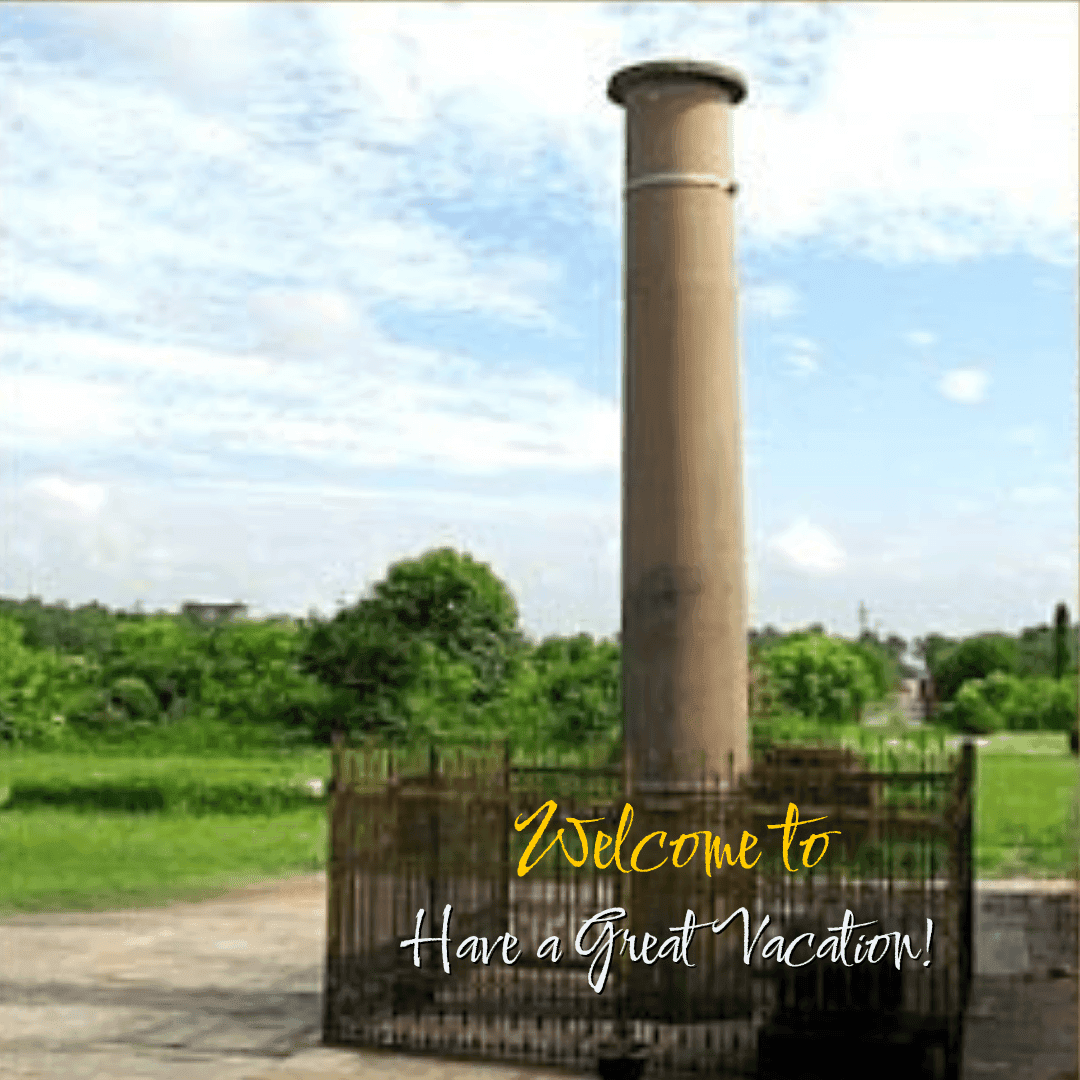
The Ashoka Pillar at Kolhua stands as a solitary sentinel in open fields, its lion capital still proud after 2,300 years. Beside it lies a relic stupa holding the Buddha’s actual remains—making Vaishali one of the most sacred Buddhist destinations in India outside the main circuit.
Thai Buddhist monks who visit Vaishali often spend long hours here in meditation, deeply moved by the intimacy of this historic site.
How to Get There: Vaishali is 55 km from Patna. Best by private vehicle. Best Season: October to March.
Nalanda: The World’s Greatest Buddhist University
Nalanda is one of those rare places where spiritual legacy and intellectual grandeur meet. Between the 5th and 12th centuries CE, this Buddhist monastery in India functioned as the world’s largest university.
Students came from every Buddhist country: China, Korea, Japan, Sri Lanka, Tibet, and Indonesia. The great scholar Xuanzang of China studied here in the 7th century and left detailed accounts of Nalanda’s glory—accounts still used by archaeologists today.
Today, the red brick ruins of the Nalanda Archaeological Site stretch across a large campus. Walking through the dormitory cells and lecture halls, a pilgrim can almost hear the chanting of sutras that once filled these corridors.
The site’s connection to Thai Buddhism is direct—Theravada Buddhism, which forms the foundation of Thai spiritual life, has deep roots in the Nalanda tradition. Visiting Nalanda is, in many ways, touching the source of one’s own faith.
Plan Your Visit: The Nalanda Museum is excellent and should not be missed. Allow half a day for the ruins and museum combined. Nalanda is 88 km from Patna.
Rajgir: Hills, History, and the Heart of the Dhamma
Rajgir is surrounded by five sacred hills and was the capital of the powerful Magadha kingdom during the Buddha’s lifetime. It is one of the most spiritually layered destinations in the entire Buddhist circuit in India.
Griddhakuta Hill (Vulture’s Peak) is where the Buddha delivered some of his most important teachings. The Mahayana tradition holds that the Heart Sutra and Lotus Sutra were taught here—making it particularly special for East and Southeast Asian Buddhists.
The Venuvana Bamboo Grove, gifted to the Buddha by King Bimbisara, remains a peaceful garden retreat. A ropeway (cable car) carries pilgrims to the hilltop peace pagoda and Griddhakuta—accessible even for elderly devotees.
Rajgir also holds the Venuvan Kalandaka Nivapa Vihara, the site of the first-ever Buddhist monastery, and the cave where the First Buddhist Council was held after the Buddha’s passing.
Travel Tip: Combine Rajgir with Nalanda in a single 2-day trip from Bodh Gaya. Distance from Bodh Gaya: 78 km.
Part 2: The Hidden Buddhist Trail of Uttar Pradesh
Uttar Pradesh is famous for Sarnath and Kushinagar, but two other sites here hold equal importance in classical Buddhist texts.
Shravasti: The City of 24 Rainy Seasons
Of all the important Buddhist places in UP, Shravasti stands apart. The Buddha resided here for 24 rainy seasons—more than any other city. The great Jetavana Monastery, purchased for the Sangha by the faithful merchant Anathapindika, was the Buddha’s primary base for much of his teaching ministry.
In the Jetavana compound today, the Ananda Bodhi Tree still stands — a direct descendant of the original tree at Bodh Gaya, planted here during the Buddha’s own lifetime. For Thai Buddhist pilgrims, standing beneath this tree carries enormous devotional significance.
The ruins of ancient monasteries and the Kosambakuti (where the Buddha’s cell stood) are maintained and serene. Japanese and Sri Lankan Buddhist organizations have built temples here, giving the town a gentle international Buddhist atmosphere.
How to Get There: Shravasti is 175 km from Lucknow and 240 km from Varanasi. Best reached by private vehicle as part of a guided Buddhist circuit tour.
Kaushambi: The Forgotten Seat of the Dhamma
If one site embodies the word “forgotten” in the context of Buddhist destinations in India, it is Kaushambi. Located near Prayagraj in Uttar Pradesh, this was a major city during the Buddha’s lifetime—a royal capital and center of trade.
The Ghoshitarama Monastery here was a regular residence of the Buddha. The ruins today are quiet, barely visited, and deeply atmospheric. An Ashoka pillar with partially preserved inscriptions stands in a field surrounded by agricultural land — a stark contrast between India’s ancient spiritual grandeur and its present-day countryside.
For pilgrims who want to sit alone in silence at a place the Buddha walked, Kaushambi offers what Bodh Gaya no longer can: absolute solitude.
How to Get There: Kaushambi is 50 km from Prayagraj (Allahabad) by road. Best combined with a visit to Sarnath (200 km) as part of an UP Buddhist circuit.
Plan Your Bihar–UP Buddhist Circuit with Prime Value Tours
The Bihar and Uttar Pradesh hidden Buddhist circuit described above is best experienced with expert guidance. Roads between sites can be rural, signage is limited, and the spiritual context of each location is best understood through a knowledgeable guide.
Prime Value Tours—based in Varanasi with 25+ years of experience—specializes in exactly this kind of deep pilgrimage. Their team knows every site on this trail, provides Thai-speaking guides, and handles all logistics so that pilgrims can focus entirely on the journey.
Browse their Buddhist tour packages in India or read the complete Buddhist pilgrimage guide to understand what a well-planned journey looks like.
You may also want to read our related article: Lesser-Known Buddhist Sacred Spots in India: Beyond the Main Pilgrimage Circuit — which covers additional sites including Sankisa and Ajanta-Ellora in the context of the broader all-India Buddhist map.
Frequently Asked Questions
Q: How many days are needed for the Bihar–UP hidden Buddhist circuit? A: A focused tour covering Vaishali, Nalanda, Rajgir, Shravasti, and Kaushambi — combined with Bodh Gaya and Sarnath — requires approximately 8 to 10 days. See Prime Value Tours’ Buddhist packages for suggested itineraries.
Q: Are there Buddhist monastery stays available along this circuit? A: Yes. Several Buddhist monasteries in Bodh Gaya, Sarnath, and Rajgir offer accommodation for pilgrims. Prime Value Tours can arrange monastery stays as part of a full pilgrimage package. Check the FAQ page for details.
Q: Is private transport necessary for visiting Bihar’s hidden Buddhist sites? A: Yes — most sites like Vaishali, Kaushambi, and parts of Nalanda are best reached by private vehicle. Prime Value Tours includes a dedicated vehicle and driver as part of all Buddhist circuit packages.
Q: Can individual travelers (not groups) book these hidden site tours? A: Absolutely. Prime Value Tours handles both group and individual pilgrimage bookings. Plan your trip here, and a specialist will help design an itinerary suited to your pace and interests.
Q: Are Thai-speaking guides available for this Bihar–UP Buddhist circuit? A: Yes. Prime Value Tours provides Thai-speaking guides on all Buddhist pilgrimage circuits—including Bihar and UP routes. This is one of their most valued services for Thai Buddhist pilgrims visiting India.
Begin Your Sacred Journey
The forgotten trail of Bihar and Uttar Pradesh is waiting. Less visited does not mean less sacred — in fact, these hidden sites often carry a deeper spiritual atmosphere precisely because they are quiet.
At Prime Value Tours, we have guided Thai Buddhist groups, international pilgrims, and solo seekers across every site on this trail. We know the back roads, the monastery contacts, and the silent hours when these ruins are most alive.
Let’s plan your pilgrimage together—and take your journey beyond the obvious.