
India Currency Guide 2026: 9 Essential Money Tips for Thai Pilgrims
Published by Prime Value Tours Pvt. Ltd. | Varanasi, India | 2026
Picture this. You step off the plane at Delhi airport after a long flight from Bangkok or Phuket. Your heart is full of devotion for the upcoming pilgrimage to Bodh Gaya, Sarnath, and Lumbini. But then a small worry creeps in. Where do you change your Thai Baht? How much cash should you carry? Will your card work at the Mahabodhi Temple?
These are the exact questions we hear from Thai Buddhist groups every season. After all, we have welcomed thousands of Thai pilgrims since 1999. So we built this India Currency Guide 2026 to remove every money worry before your sacred journey begins.
Why a Smart India Currency Guide 2026 Matters for Thai Buddhists
Here’s the thing. India is a cash-friendly country, especially in small towns near Buddhist sites like Kushinagar, Sravasti, and Vaishali. Big cities such as Delhi, Mumbai, and Varanasi accept cards and UPI smoothly. But the moment you reach a remote stupa or a village temple, the rupee in your hand becomes your best friend.
We are a Ministry of Tourism, Government of India approved tour operator and a proud IATO member. So we share only verified, real-world advice. Plus, our team in Varanasi handles money logistics for Thai groups every week. We know what works and what creates trouble.
This India Currency Guide 2026 is your honest, practical handbook. Read it once before you fly, and your pilgrimage will feel calm and joyful from day one.
1. Understanding the Indian Rupee (INR) Before You Land
The Indian currency is called the Indian Rupee, and its short form is INR. The currency symbol is ₹. Coins come in denominations of ₹1, ₹2, ₹5, ₹10, and ₹20. Banknotes come in ₹10, ₹20, ₹50, ₹100, ₹200, ₹500, and ₹2000.
Note that the ₹2000 note is being phased out. The Reserve Bank of India has stopped printing it. You can still use it, but small shops near temples often refuse to accept it. So always ask for ₹500 and ₹100 notes when you exchange money. Trust us, your evening tea seller near Sarnath will thank you.
2. Thai Baht to Indian Rupee Exchange Rate in 2026
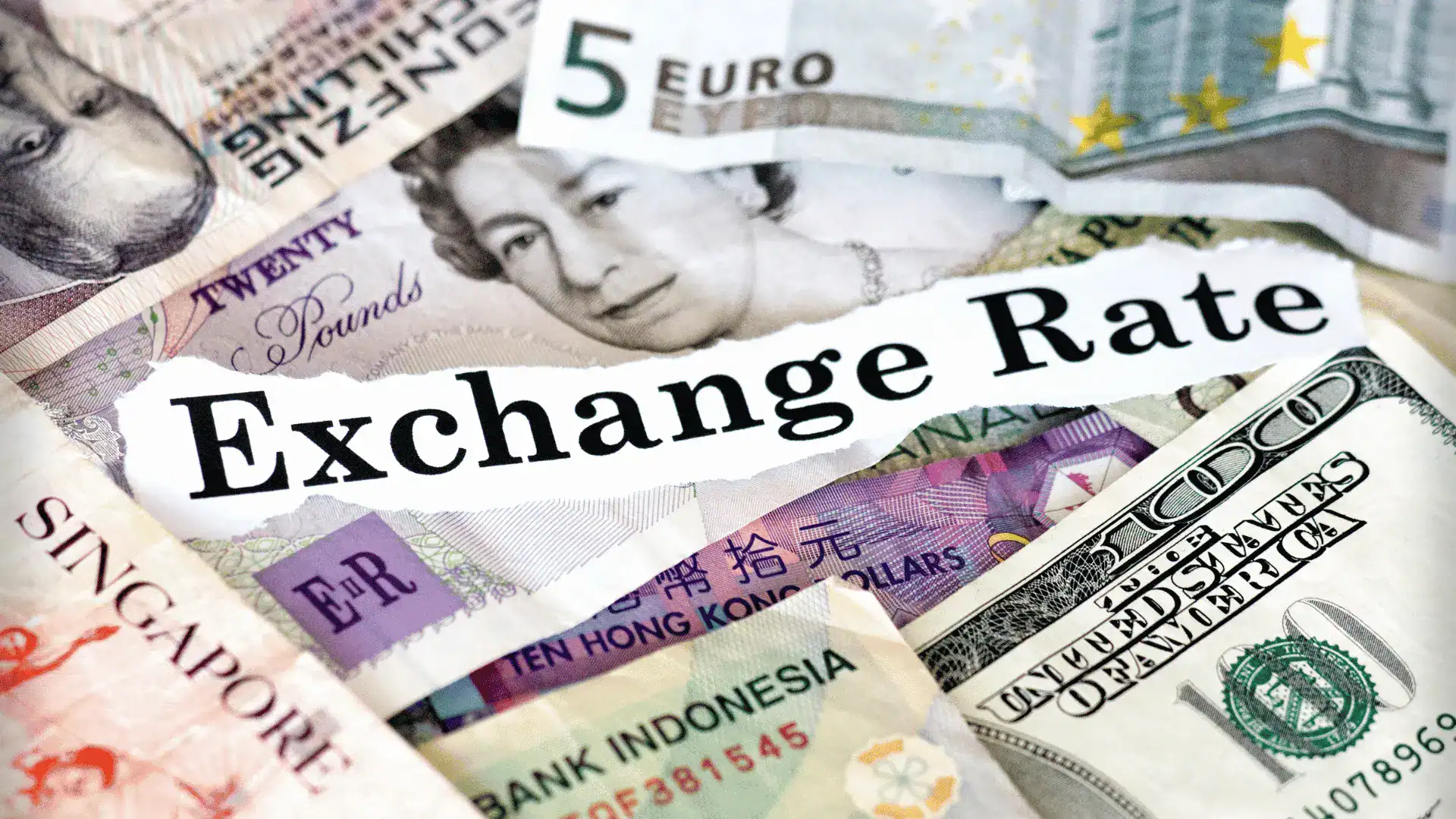
The Thai Baht (THB) to Indian Rupee rate moves daily, but in 2026 it generally floats between ₹2.40 and ₹2.60 per 1 Baht. So if you exchange 10,000 THB, you will receive roughly ₹24,000 to ₹26,000. This is a rough planning figure, never the locked rate.
Always check the live rate on Google or your banking app one day before you fly. And remember, hotel exchange counters give the weakest rate. Airport counters are slightly better. Authorized money changers in city markets give the best rate. Plan accordingly.
3. Best Places to Exchange Money in India
Bangkok Suvarnabhumi Airport
Exchange a small amount, about 3000 to 5000 THB into rupees here, just to cover your first taxi and a meal. The rate is fair but not the best.
Delhi or Mumbai Airport on Arrival
Most Thai pilgrim groups land at Delhi. The 24-hour exchange counters at Terminal 3 are safe and reliable. Carry your passport, since they will note your details for the exchange receipt. Keep this receipt safely. You may need it when you exchange unused rupees back to Baht before flying home.
Authorized Money Changers in the City
Companies like Thomas Cook, Centrum Forex, and Weizmann Forex have offices in Delhi, Mumbai, Varanasi, and Bodh Gaya. They offer the best Baht to Rupee rate. We always guide our Thai groups to the most trusted ones near their hotel.
Bank Branches
Public banks like State Bank of India and private ones like HDFC and ICICI exchange foreign currency. But the queues are long, and paperwork takes time. Use this option only as a backup.
4. Using ATMs Safely in India
ATMs are everywhere in Indian cities and even most pilgrimage towns. Look for State Bank of India, Punjab National Bank, ICICI, HDFC, and Axis Bank machines. These accept international Visa, Mastercard, and UnionPay cards.
A few practical tips from our years of guiding Thai groups:
- Withdraw a maximum of ₹10,000 in one transaction. Many ATMs cap it here for international cards.
- Inform your Thai bank before you travel, or your card may get blocked on the first try.
- Use ATMs inside bank branches or busy shopping areas. Avoid lonely street-side machines, especially at night.
- Always cover the keypad with your other hand when entering your PIN. This is a global habit, not just for India.
- Keep one backup card separate from your main wallet. Hotel safe is ideal.
Plus, the ATM may charge a small foreign withdrawal fee of ₹200 to ₹400 per transaction. Factor this into your daily budget.
5. Cards, UPI, and Digital Payment in India
Indian cities have moved fast into digital payment. Most hotels, restaurants, and shops in Delhi, Agra, Jaipur, Mumbai, and Varanasi accept Visa, Mastercard, and American Express. Some also accept UnionPay.
But UPI is the real king of Indian payments. UPI stands for Unified Payments Interface. Indians scan a QR code and pay in seconds. As a Thai pilgrim, you cannot directly use UPI without an Indian phone number and bank account. So please do not worry about this technology. Just keep cash and cards ready.
Some international travelers now use special prepaid travel cards like Wise, Revolut, or local Thai bank multi-currency cards. These work well in big cities. But in small temple towns, cash still rules. Always carry both.
6. How Much Cash Should a Thai Pilgrim Carry?
This is the most common question we get. The honest answer depends on your tour package style.
If you have booked a full board tour with Prime Value Tours, your hotels, meals, transport, and entry tickets are already paid. So you only need cash for personal items: bottled water, donations at temples, tips for porters, souvenir shopping, and snacks.
Our recommendation for a 7 to 10 day Buddhist pilgrimage tour:
- Daily cash budget: ₹2000 to ₹3000 per person (about 800 to 1200 Baht).
- Temple donations: ₹500 to ₹1000 per major site, fully your choice.
- Souvenir budget: ₹3000 to ₹8000 for the whole trip, depending on what you buy.
- Emergency reserve: ₹10,000 in cash, locked in the hotel safe.
So a Thai pilgrim on a 10 day tour usually carries about ₹35,000 to ₹50,000 in total cash. Half goes in your day wallet, half stays in the hotel safe. This is the safest split we have seen work for hundreds of groups.
7. India Currency Scams to Avoid in 2026
India is a warm and welcoming country, but a few small scams target foreign tourists. Knowing them protects your money and your peace of mind.
Old or Torn Notes
Some unfair shopkeepers try to give torn or very old notes as change. These notes may be refused later. Always check your change before walking away. Smile, but check.
Fake Money Changers
Avoid anyone on the street who offers to exchange money. Always use a shop with a clear board, a counter, and a receipt. If they cannot give you a receipt, walk away.
Inflated Tuk-Tuk Fares
Auto-rickshaw drivers near tourist spots may quote ₹500 for a ₹100 ride. Use Uber or Ola app for fixed fares. Or let your Prime Value Tours driver handle all your transport. That is the safest way.
Donation Pressure at Temples
Some self-styled priests near famous temples demand large donations. Real donation boxes are inside the temple, not at the entrance. Give what your heart guides you to give, and never feel forced.
8. Tipping Culture in India for Buddhist Pilgrims
Tipping is appreciated but not strict. Here is a simple, kind guide:
- Hotel porter: ₹50 to ₹100 per bag.
- Restaurant waiter: 10 percent of the bill, if no service charge is added.
- Driver for a full day: ₹300 to ₹500 per day from the group.
- Tour guide for a half day at a temple: ₹200 to ₹400 from the group.
- Housekeeping in a 4-star hotel: ₹50 to ₹100 left at checkout.
In our experience, Thai pilgrims are naturally generous, especially after a peaceful day at Bodh Gaya or Sarnath. A small tip with a sincere namaste means much more than a big tip thrown carelessly.
9. 5 Pro Money Tips Most Thai Pilgrims Miss
After hosting Thai Buddhist groups for over two decades, we have learned a few quiet truths that no guidebook prints:
First, keep all small notes (₹10, ₹20, ₹50, ₹100) in one separate pocket. You will need them constantly for tea, water, autos, and donations. This single habit makes daily life much smoother on the Buddhist Circuit.
Second, photograph your exchange receipts and ATM slips. If anything goes missing, the photos are your proof when you reach the bank or police.
Third, before flying home, exchange remaining rupees at the same airport counter where you arrived. Indian rupees are difficult to exchange back in Thailand at a fair rate.
Fourth, never carry all your cash in one wallet. Split between hotel safe, day wallet, and one hidden inner pocket. This is an old pilgrim’s wisdom.
Fifth, learn three simple Hindi number words: ek (1), do (2), das (10). When a shopkeeper says do sau, he means 200 rupees. This tiny knowledge stops a lot of confusion.
Before You Fly: A Quick India Currency Guide 2026 Checklist
- Inform your Thai bank that you will use the card in India for these specific dates.
- Carry at least 3000 to 5000 Baht for emergency back-up cash.
- Bring two cards: one debit, one credit, from different banks.
- Pack a small zipper pouch for receipts, coins, and small notes.
- Save the Prime Value Tours WhatsApp number on your phone before you board.
- Take a photo of your passport, visa, and exchange receipts. Save in your email.
Want a smooth pilgrimage where all money headaches are pre-handled? Plan your trip with us and we will take care of every rupee, every hotel, every meal. You focus on Buddha. We focus on the details.
Plan Your India Pilgrimage with Prime Value Tours
We have been organizing pilgrimage and cultural tours across India since 1999, with a special focus on Buddhist circuit tours for Thai and Southeast Asian groups. We are a Ministry of Tourism approved operator and proud IATO member. We speak English and happily assist Thai-speaking groups through our partner network.
📞 Phone: +91-542-2500113
📱 WhatsApp: +91-9794122849
📧 Email: info@primevaluetours.com
🌐 Website: www.primevaluetours.com
📲 LINE: Add us on LINE
Explore more journeys with us: Buddhist Pilgrimage Guide India & Nepal, Leh Ladakh Tour Packages, Bhutan Tour Packages, Cave Heritage Tour (Ajanta-Ellora-Elephanta), and India Business Discovery Tour.
Your Pilgrimage Deserves a Calm Heart, Not a Worried Wallet
Money matters can feel heavy when you are crossing borders. But with a little planning, your India Currency Guide 2026 becomes one small chapter in a much larger spiritual story. The real journey is the moment you stand under the Bodhi Tree, eyes closed, breath slow, mind quiet.
So pack smart, exchange wisely, and walk forward with trust. India has welcomed Buddhist pilgrims for 2500 years. The land knows how to take care of you. And so do we.
Safe travels. Sawasdee. Namaste. Buddham Saranam Gacchami.
Frequently Asked Questions (FAQ)
Q1. Can I use Thai Baht directly in India?
No. Thai Baht is not accepted at Indian shops, hotels, or restaurants. You must exchange it to Indian Rupees first. Some hotels in Delhi may exchange small amounts at their reception, but the rate is weak. Always use an authorized money changer.
Q2. Are credit cards widely accepted on the Buddhist Circuit?
In major cities like Delhi, Varanasi, and Patna, yes. In smaller pilgrimage towns like Kushinagar, Sravasti, and Vaishali, cards work only at bigger hotels. Always carry cash for these areas.
Q3. How much money should I exchange before leaving Thailand?
Exchange 3000 to 5000 Thai Baht into Indian Rupees at Bangkok airport. This covers your first day. Do the larger exchange at Delhi airport or in the city, where you get better rates.
Q4. Is it safe to carry cash on a pilgrimage tour in India?
Yes, if you split it wisely. Keep the larger portion in your hotel safe. Carry only the day’s budget in your wallet. Use a hidden inner pocket for an emergency ₹2000 to ₹3000 reserve. Our Thai groups have followed this system safely for years.
Q5. Will Prime Value Tours help with money issues during my trip?
Absolutely. Our local team in Varanasi, Bodh Gaya, and Delhi is one phone call away. If you have a card problem, a lost wallet, or a bank issue, we step in immediately. That is the value of booking with a Ministry of Tourism approved operator since 1999.