
Festivals of Varanasi: A Complete Guide to Cultural Celebrations
“Discover the most vibrant festivals of Varanasi, from Dev Deepawali, to Mahashivratri. Plan your cultural tour with Prime Value Tours, Varanasi”
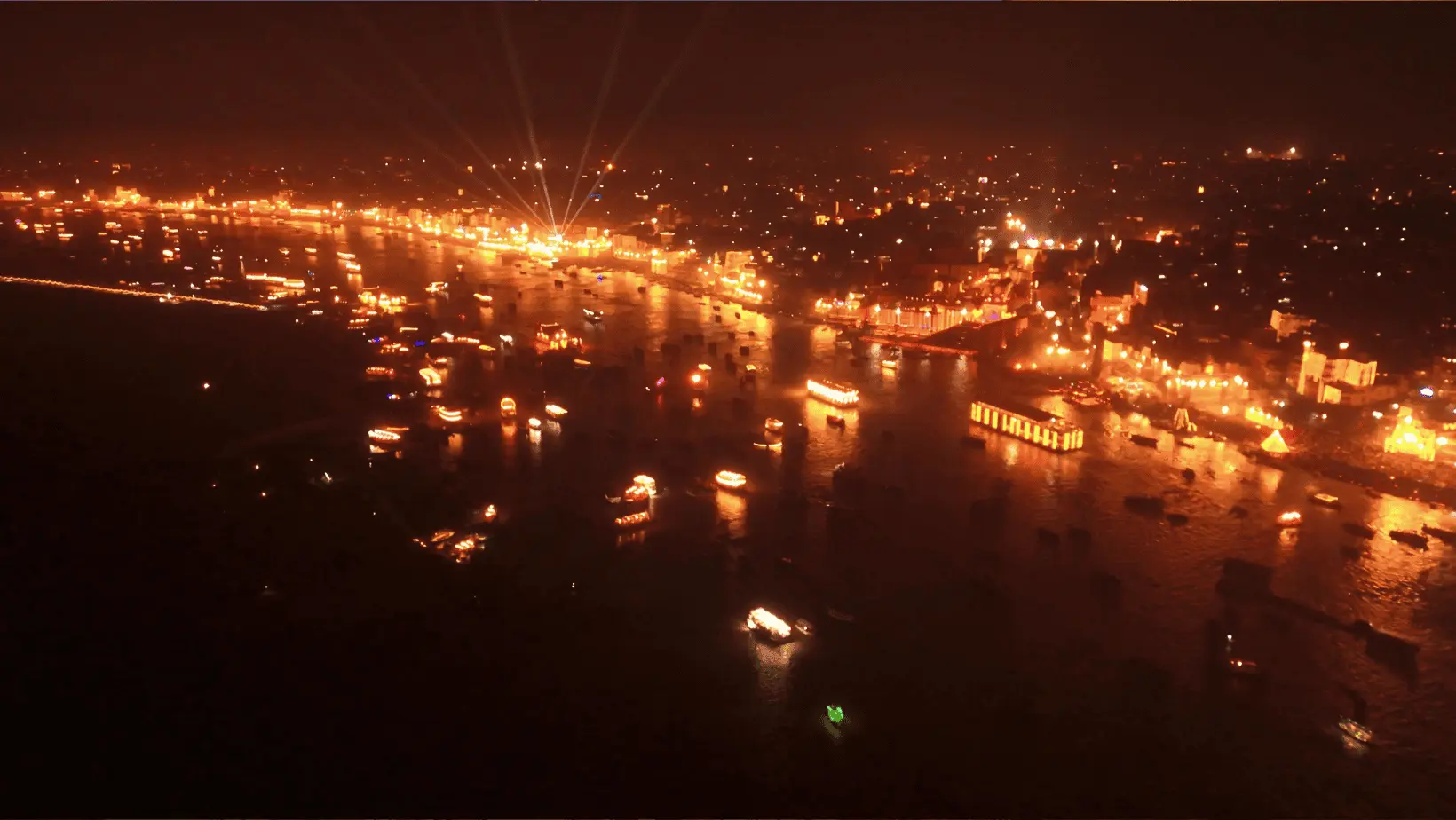
Imagine standing on the banks of the Ganga as thousands of earthen lamps float downstream, turning the river into a ribbon of gold. The air smells of marigolds and incense, priests chant ancient hymns, and somewhere in the distance, a dhol beats in celebration. This is not a dream. This is Varanasi during Dev Deepawali, and it is just one of dozens of extraordinary festivals that make this ancient city pulse with life every single month of the year.
Varanasi is not just a city. It is a living calendar of devotion. In our 25 years of organising tours across India at Prime Value Tours, we have watched travellers arrive curious and leave completely transformed by the festival energy of Kashi. Whether you are a Buddhist pilgrim, a cultural explorer, or a photographer chasing the perfect shot, the festivals of Varanasi will give you memories you will carry for a lifetime.
Why Varanasi Festivals Are Unlike Anything Else in India
Most Indian cities celebrate festivals. Varanasi lives them. The difference is real and you feel it the moment you step onto the ghats. Here, every celebration has layers of meaning going back thousands of years. Lord Shiva himself is believed to reside in Kashi, and so every festival here carries a divine weight that you simply do not find elsewhere.
What most travellers do not know is that Varanasi hosts over 60 major festivals a year. From grand spectacles that draw hundreds of thousands of visitors to intimate neighbourhood pujas that last through the night, this city never stops celebrating. The ghats, the narrow lanes called gallis, the ancient temples, and the river itself become part of every celebration.
Here is the thing about festivals in Varanasi: they are participatory. You do not watch from behind a fence. You join the aarti, you release a diya on the Ganga, you sit with pilgrims and share prasad. This is what makes Varanasi festivals a transformative travel experience rather than just a sightseeing event.
The Most Spectacular Festivals of Varanasi
Dev Deepawali: The Festival of a Million Lamps
Dev Deepawali falls on the full moon of Kartik month, which is exactly 15 days after Diwali, typically in November. This is widely considered the most visually stunning festival in all of Varanasi, and many experienced travellers say it is the most beautiful night they have ever witnessed anywhere in the world.
On this evening, every single ghat along the Ganga is illuminated with earthen lamps. Over a million diyas are lit, creating a continuous river of light from Rajghat to Assi Ghat. The reflection in the Ganga doubles the spectacle. Priests perform grand aarti ceremonies simultaneously at all major ghats. The sky fills with fireworks, and the entire old city vibrates with devotion and celebration.
In our experience organising group tours, we always recommend booking Varanasi stays 3 to 4 months in advance for Dev Deepawali. Hotels fill up completely, and the best viewing spots on the ghats and boats go early.
Ganga Mahotsav: The Cultural Heart of Varanasi
Ganga Mahotsav is a 5-day festival that immediately precedes Dev Deepawali, organised by the Uttar Pradesh tourism department. This is where classical Indian music, dance, and art take centre stage. Renowned artists from across India perform on the ghats, with the Ganga as their backdrop.
For cultural travellers and Buddhist pilgrims who appreciate India’s artistic heritage, Ganga Mahotsav offers something genuinely rare: world-class performances in one of the world’s oldest living cities, under open skies, beside a sacred river. The performances include Hindustani classical music, Odissi and Kathak dance, and traditional folk arts from Uttar Pradesh.
Mahashivratri: The Night of Shiva
Mahashivratri in February or March is Varanasi’s most sacred festival. Since Lord Shiva is the presiding deity of Kashi, this night draws pilgrims from every corner of India and from Southeast Asian countries, including large groups of devotees from Thailand, Sri Lanka, and Myanmar.
The Kashi Vishwanath temple, one of the 12 Jyotirlingas of India, becomes the spiritual epicentre of the city. Queues to offer abhishek begin before midnight and continue through the entire night. A magnificent procession called the Shiv Baraat winds through the old city lanes, featuring elaborately costumed participants representing characters from Hindu mythology.
The good news is that even during this crowded festival, Prime Value Tours can arrange comfortable accommodation and local expertise to help you experience the celebration without the stress of navigating the crowds alone.
Holi in Varanasi: Colour, Music and Abandon
Holi in Varanasi is celebrated with a wildness that surprises even experienced India travellers. The city celebrates for a full week, not just one day. Each neighbourhood, each ghat, each temple has its own celebration. The most famous is Lathmar Holi in nearby Barsana, just a short drive away, but the Varanasi celebrations on the ghats, with colours flying over the river, are extraordinary in their own right.
Masaan Holi, celebrated at the Manikarnika Ghat, is unique to Varanasi. This ritual Holi with ash is deeply rooted in the city’s connection to Lord Shiva and to the concept of life and liberation. It is not for every traveller, but those who witness it describe it as one of the most profound experiences of their India journey.
Buddha Purnima: Celebrating the Enlightened One
For the Thai Buddhist pilgrims and Southeast Asian travellers we work with most closely at Prime Value Tours, Buddha Purnima in May holds a special place. Varanasi is home to Sarnath, just 10 kilometres away, where Lord Buddha delivered his first sermon after attaining enlightenment. On Buddha Purnima, Sarnath becomes a gathering point for Buddhist monks and pilgrims from Thailand, Japan, Sri Lanka, Tibet, and beyond.
The Dhamekh Stupa at Sarnath is illuminated and decorated. Chanting fills the air from dawn. Monks in saffron and maroon robes circumambulate the ancient stupa in a moving display of living faith. For Thai Buddhist groups, combining a Varanasi stay with Buddha Purnima celebrations at Sarnath is an experience of extraordinary spiritual depth.
Kartik Purnima and Nag Nathaiya
Kartik Purnima is the full moon that triggers the Dev Deepawali celebration, but during the day, it features the famous Nag Nathaiya performance at Tulsi Ghat. This rare theatrical performance depicts Lord Krishna subduing the serpent Kaliya in the Yamuna river. Artists perform on a specially constructed float in the Ganga itself. Crowds line the ghats for hours to witness this annual spectacle.
Seasonal Guide: When to Visit Varanasi for Festivals
One of the most common questions we receive at Prime Value Tours is: when is the best time to visit Varanasi for festivals? Here is a quick guide by season:
- October to December: Peak festival season. Dev Deepawali, Ganga Mahotsav, Kartik Purnima. Cool weather, perfect for outdoor celebrations. This is when we book our most group tours.
- January to March: Mahashivratri, Holi, Basant Panchami. Mild weather, excellent for temple visits and cultural tours.
- April to June: Buddha Purnima at Sarnath. Hot weather but deeply meaningful for Buddhist pilgrims.
- July to September: Monsoon season. Fewer tourists but the Ganga is majestic and swollen. Nag Panchami and Raksha Bandhan celebrations are intimate and authentic.
What to Know Before You Go: Practical Tips
- Book accommodation early: For Dev Deepawali and Mahashivratri, book 2 to 3 months in advance. Good hotels near the ghats sell out completely.
- Hire a local guide: The festival experience in Varanasi is 10 times richer with a knowledgeable local guide who knows the lanes, the temples, and the timing of each ceremony.
- Boat rides: During festival evenings on the Ganga, a boat ride gives you the best view of the illuminated ghats. Book your boat in advance through your tour operator.
- Respect local customs: Remove footwear before entering temples. Dress modestly. Ask before photographing people at prayer.
- Stay near the ghats: The old city near Dashashwamedh Ghat puts you in the heart of every celebration. Lanes are narrow but this is where the real experience lives.
- Thai Buddhist group visitors: We can arrange Thai-speaking local guides, Thai-friendly vegetarian meals, and temple visits timed around your pilgrimage circuit.
| Plan Your Trip with Prime Value Tours We have been organising pilgrimage and cultural tours across India since 1999, with a special focus on Buddhist circuit tours and cultural experiences for Thai and Southeast Asian groups. Contact us today to design your perfect Varanasi itinerary: Phone : +91-542-2500113 WhatsApp : +91-9721122849 Email : info@primevaluetours.com Website : www.primevaluetours.com LINE : https://line.me/ti/p/6QtZRvYpeP We speak English and are happy to assist Thai-speaking groups. |
The Eternal City Never Stops Celebrating
In Varanasi, every sunrise over the Ganga is a ritual. Every evening aarti is a festival in itself. And when the great celebrations come, the city does not just decorate its streets. It opens its soul.
Whether you come for Dev Deepawali and stand on a boat watching a million lamps mirror themselves in the river, or you arrive at Sarnath on Buddha Purnima and hear the chanting of monks in your mother tongue, Varanasi will give you something you did not expect to find: a reminder that life at its most beautiful is also life at its most sacred.
Start planning your Varanasi festival visit today. We at Prime Value Tours are here to make every moment count.
Frequently Asked Questions
Q1. Which is the best festival to see in Varanasi?
Dev Deepawali (November) is the most visually spectacular festival. For spiritual depth, Mahashivratri (February/March) is unmatched. For Buddhist pilgrims, Buddha Purnima at Sarnath (May) is deeply meaningful.
Q2. How many days should I spend in Varanasi during a festival?
We recommend a minimum of 3 nights for major festivals like Dev Deepawali. This gives you time for the festival itself, a morning Ganga Aarti, and a day trip to Sarnath. 5 nights is ideal for a full cultural immersion.
Q3. Is Varanasi safe for international tourists during festivals?
Yes, Varanasi is very welcoming to international visitors. The city has significant experience hosting Thai, Japanese, and Southeast Asian pilgrimage groups. Travelling with a registered tour operator like Prime Value Tours ensures you have local support throughout.
Q4. Can Thai Buddhist groups combine Varanasi festivals with the Buddhist circuit?
Absolutely. This is one of our most popular itinerary combinations. We design tours that include Sarnath, Bodh Gaya, Kushinagar, and Lumbini, timed around key festival dates like Buddha Purnima. Contact us to discuss your group’s requirements.
Q5. What is the Ganga Aarti in Varanasi and when does it happen?
The Ganga Aarti is a magnificent evening ceremony performed every single day at Dashashwamedh Ghat, usually beginning around sunset. Priests perform an elaborate ritual with large oil lamps, incense, and devotional music. During festivals, the aarti is on a much grander scale with more priests and larger crowds.