Places to Visit in Bodh Gaya: 15 Temples, Monasteries and the Great Buddha
Looking for the best places to visit in Bodh Gaya? This guide lists 15 holy sites, from the Mahabodhi Temple and the Bodhi Tree to the Great Buddha statue and the monasteries built by Thailand, Japan, Bhutan and Tibet. It also explains the best things to do in Bodh Gaya, so your Bodh Gaya tourism plan stays calm and prayerful.
Bodh Gaya, in Bihar, India, is where Prince Siddhartha attained Enlightenment and became the Buddha. For Buddhists it is the holiest place on earth. Most places to visit in Bodh Gaya are within walking distance of the Mahabodhi Temple, so two nights are enough to see them all without rushing, with time left for prayer and meditation.
The town is small and peaceful. Monks and pilgrims from Thailand, Sri Lanka, Myanmar, Tibet, Japan, Vietnam and many other countries walk the same lanes, which gives Bodh Gaya a special, international feeling.
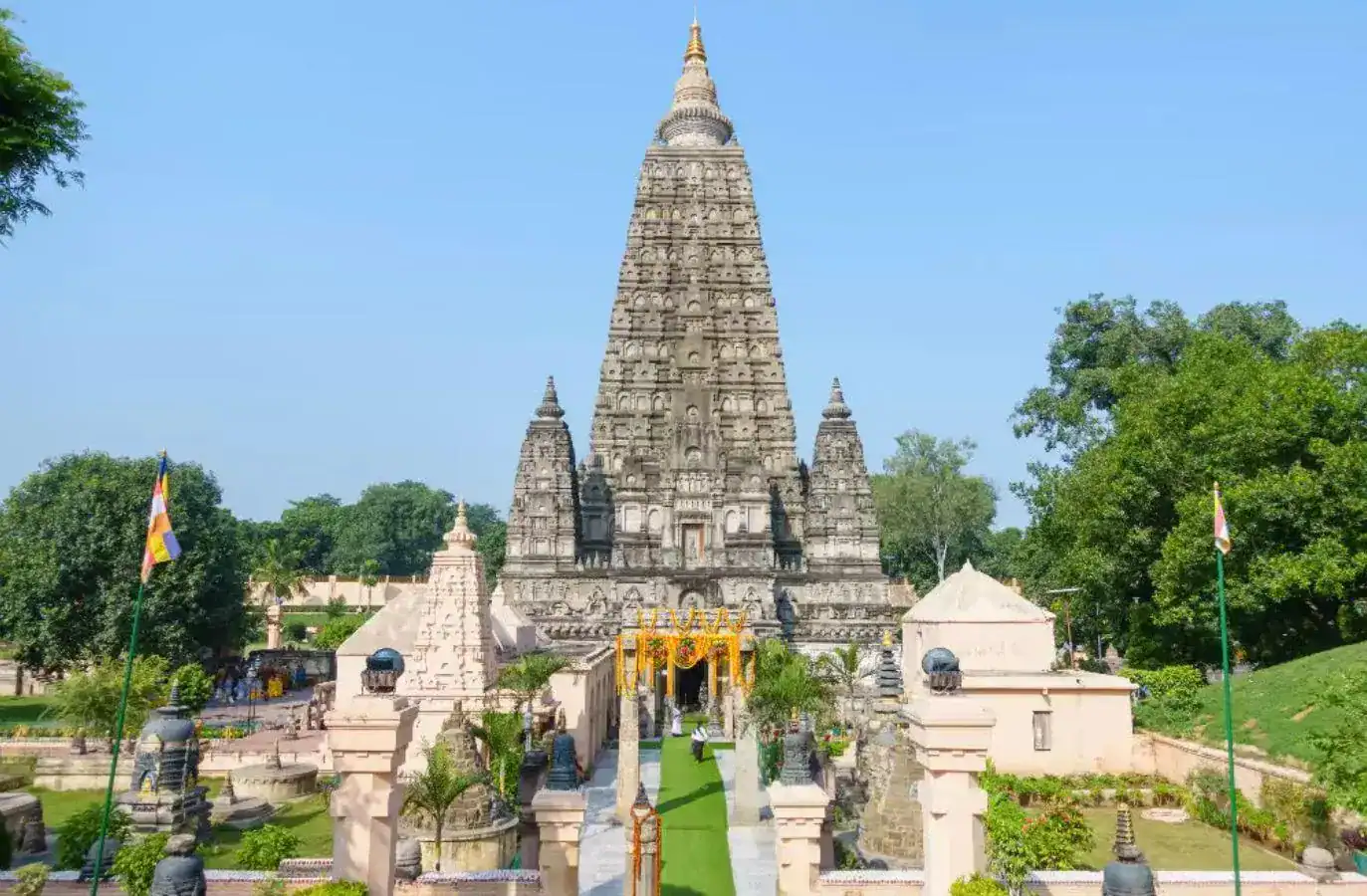
1. Mahabodhi Temple
The Mahabodhi Temple is the first of all places to visit in Bodh Gaya. It marks the spot of the Buddha’s Enlightenment and is a UNESCO World Heritage Site. Plan at least two visits: one in the early morning and one in the evening for chanting. Read our Mahabodhi Temple guide.
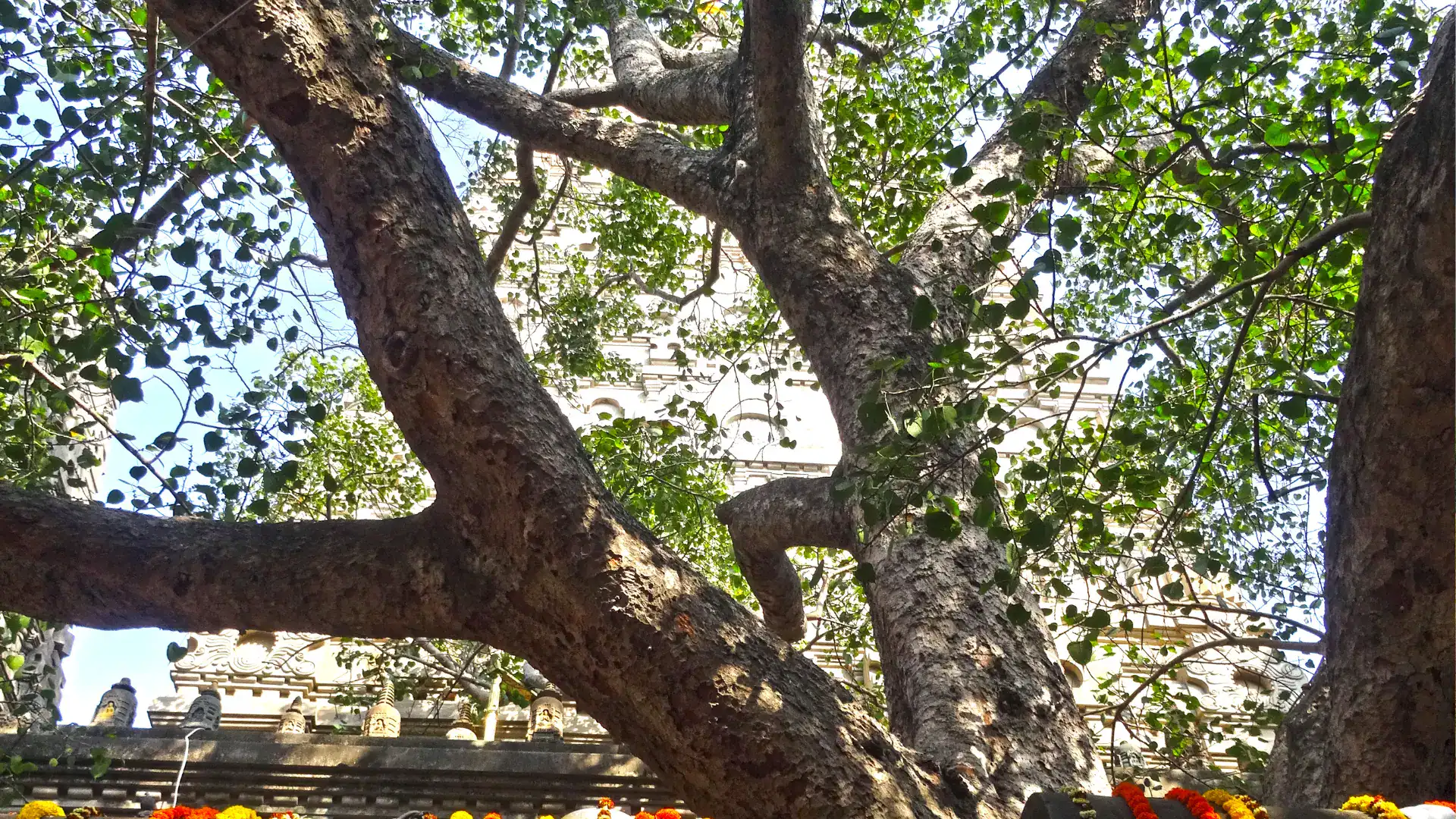
2. The Bodhi Tree and the Vajrasana
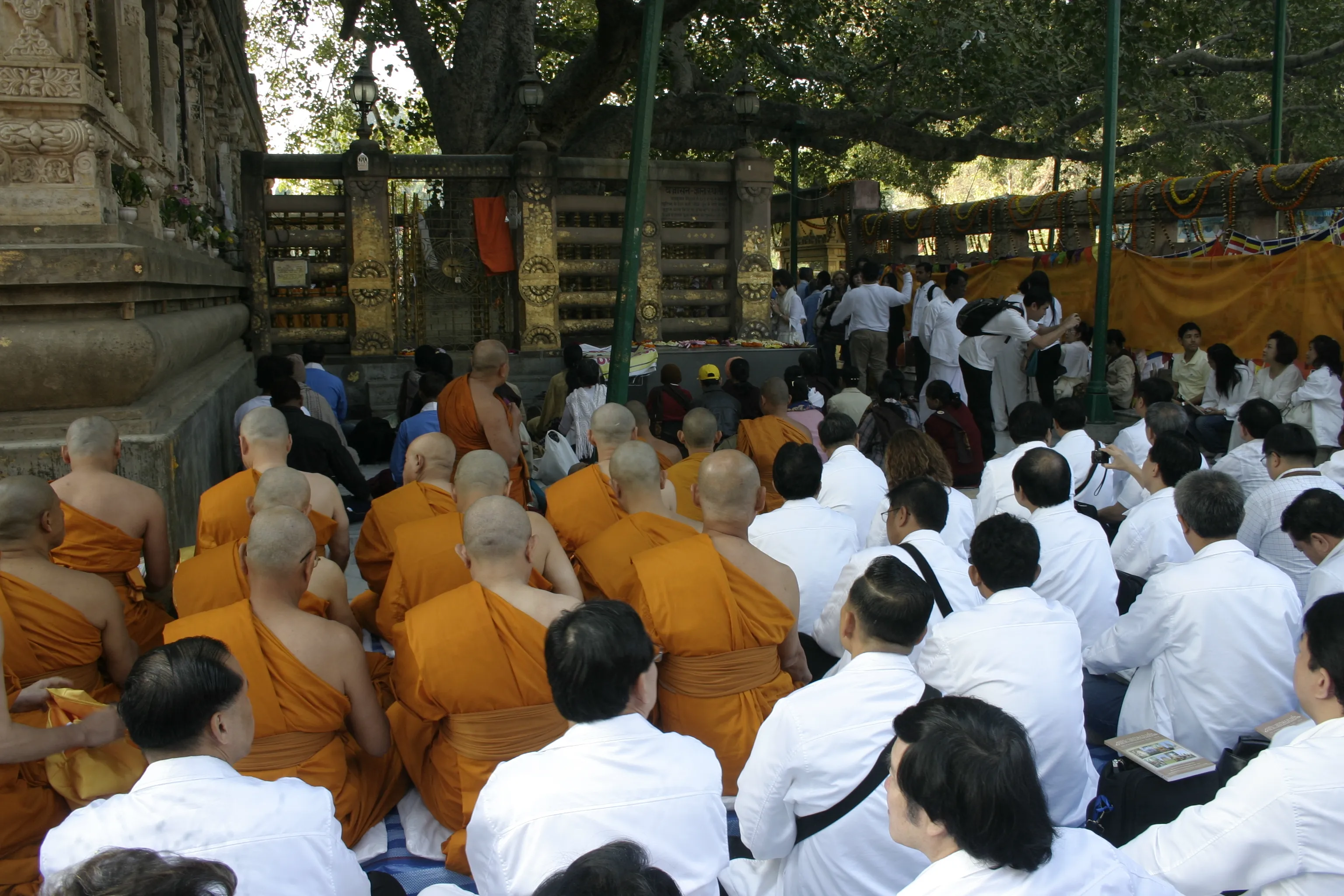
Behind the temple stands the Bodhi Tree, a descendant of the tree under which the Buddha sat. Beneath it is the Vajrasana, the Diamond Throne, which marks his seat of Enlightenment. Pilgrims sit here to meditate, chant and offer flowers.
3. Animesh Lochana Chaitya
This small shrine marks the place where the Buddha stood and looked at the Bodhi Tree without blinking, in gratitude, during the second week after his Enlightenment.
4. Muchalinda Lake
In the temple grounds is the lotus pond linked with the serpent king Muchalinda, who sheltered the Buddha from a storm with his hood. A statue of the Buddha protected by the serpent stands in the water.
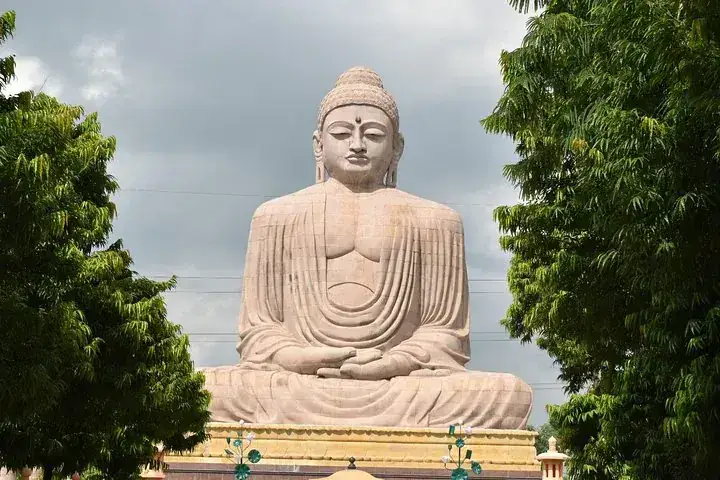
5. The Great Buddha Statue in Bodh Gaya
The Great Buddha statue is a large stone image of the Buddha seated in meditation, unveiled by the Dalai Lama in 1989. It is one of the most photographed places in Bodh Gaya and a peaceful place for group prayers.
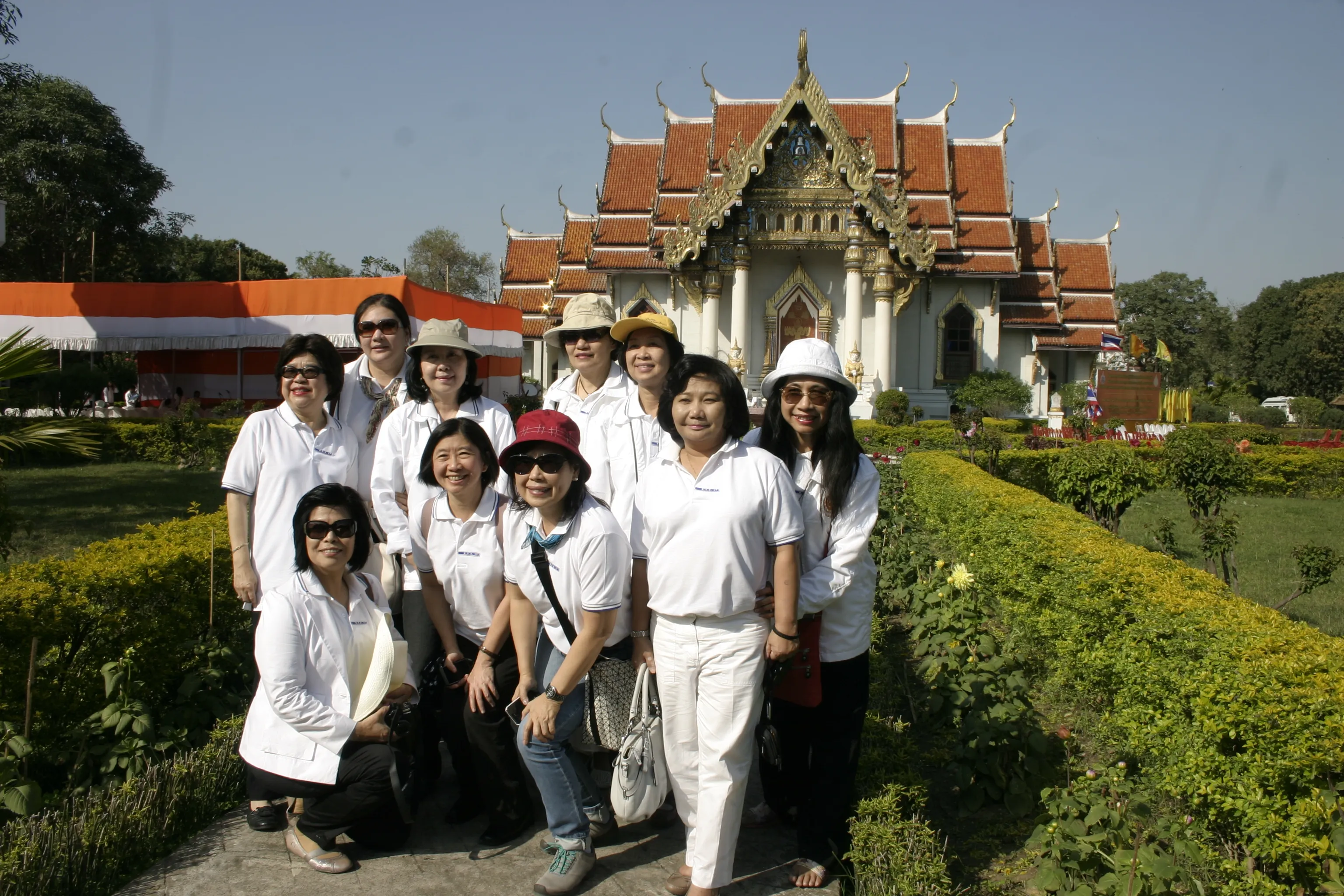
6. Wat Thai Buddhagaya (Thai Monastery)
The Thai monastery was built by the Thai government in the 1950s. Its golden roofs follow the classic Thai style. Thai groups often hold their morning chanting here.
7. Indosan Nipponji (Japanese Temple)
The Japanese temple is quiet and simple, with a calm prayer hall. It shows the Japanese way of devotion.
8. Royal Bhutan Monastery
This Bodh Gaya monastery is known for its colourful clay carvings that show the life of the Buddha and Bhutanese Buddhist art.
9. Tibetan Monastery
The Tibetan monastery has a large prayer wheel and colourful paintings. Many Tibetan pilgrims gather here in the winter season.
10. Vietnamese Temple
The Vietnamese temple is a peaceful place with a seated Buddha statue and gardens. It is popular with pilgrims from Vietnam.
11. Chinese Temple
The Chinese temple, close to the Mahabodhi Temple, has a calm hall with Buddha images and is a good short stop on your walk.
12. Bodh Gaya Archaeological Museum
The museum keeps ancient stone carvings and railing pillars from the Mahabodhi Temple area. It is a short visit that helps you understand the history of the site.
13. Sujata Stupa (Sujata Village)
Across the Niranjana River is the village of Sujata, the young woman who offered the Buddha a bowl of milk rice before his Enlightenment. A large brick stupa marks the place.
14. Niranjana River
The Buddha bathed in the Niranjana River (Falgu River) before sitting under the Bodhi Tree. Pilgrims cross it on the way to Sujata Village.
15. Dungeshwari Cave
The Dungeshwari Cave, also called Mahakala Cave, is where Siddhartha practised severe fasting before he chose the Middle Way. It is a short drive from Bodh Gaya.
Things to Do in Bodh Gaya: A Simple 2-Day Plan
Day 1: Early morning prayer at the Mahabodhi Temple and the Bodhi Tree, then the Animesh Lochana Chaitya and Muchalinda Lake. In the afternoon visit the Great Buddha Statue, Wat Thai Buddhagaya and the Japanese temple. Evening chanting at the Mahabodhi Temple.
Day 2: Morning drive to Dungeshwari Cave, then Sujata Village and the Niranjana River. In the afternoon visit the Bhutan, Tibetan, Vietnamese and Chinese monasteries and the museum. Evening meditation under the Bodhi Tree.
Bodh Gaya Tourism Tips for Pilgrims
Dress modestly and remove your shoes before entering temples.
Walk around stupas and the Bodhi Tree in a clockwise direction.
Keep your voice low near people who are meditating.
Carry a small offering such as flowers, candles or incense.
Stay at least 2 nights, so you can pray at the Mahabodhi Temple both morning and evening.
The most important places are the Mahabodhi Temple, the Bodhi Tree and the Vajrasana. Pilgrims also visit the Great Buddha Statue, the Thai, Japanese and Bhutan monasteries, Sujata Village and Dungeshwari Cave.
Join the evening chanting and meditation at the Mahabodhi Temple. The temple is lit with lamps and is very peaceful after sunset.
Plan Your Buddhist Pilgrimage with Prime Value Tours
Government-approved tour operator from Varanasi since 1999. Private Buddhist pilgrimage tours for Thai and Southeast Asian groups, with English or Thai-speaking guides.