- Govt. of India Approved
- IATO Member
- Trusted Since 1999
Pilgrimage Guide › Sacred Sites 37–41 › Maski Ashoka Edict
The Maski Ashoka edict in Raichur district, Karnataka, is a rock inscription of Emperor Ashoka found in 1915. It was the first of his edicts discovered that uses the name “Asoka”, proving that the king called “Devanampiya” in the edicts was Ashoka.
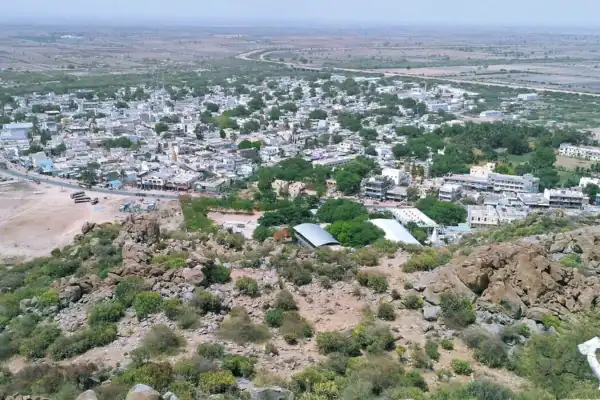
Maski, Raichur district, Karnataka
3rd century BCE
1915, by C. Beadon
Raichur Junction (about 80–88 km)
October to February
1–2 hours
Emperor Ashoka had his messages carved on rocks and pillars across his empire. In most of them he calls himself “Devanampiya Piyadasi” (Beloved of the Gods, of gracious look), not by his personal name. For many years scholars were not fully sure who this king was.
In 1915, a mining engineer named C. Beadon found an inscription on a granite outcrop at Maski. This Minor Rock Edict begins with the words “Devanampiya Asoka”. It was the first edict discovered that carries Ashoka’s own name, and it confirmed that the author of the edicts was Emperor Ashoka. In the edict, Ashoka speaks of becoming a lay follower of the Buddha and of his efforts in the Dhamma. A few more edicts naming Ashoka were found later.
At Maski, pilgrims stand before words carved by Emperor Ashoka himself, telling how he became a follower of the Buddha. For Theravada pilgrims, whose tradition reached their lands through Ashoka’s mission, this is a moving link with history.
The quiet hill also invites reflection on how one king’s change of heart helped spread the Dhamma across Asia.
Maski is in Raichur district, about 80–88 km from Raichur Junction, the nearest railway station. Buses run from Raichur and Lingsugur. The nearest airports are Kalaburagi and Ballari (Jindal Vijayanagar), and Hyderabad is the most practical international airport and base. Maski can be combined with Sannati Kanaganahalli on a Deccan Buddhist heritage tour.
October to February is the best time, as summers in this region are very hot. There is a short walk and some steps to the edict, so wear comfortable shoes and carry water and a hat. Facilities are basic. Visit in the morning for the best light on the inscription.
Prime Value Tours can include this sacred place in a private tour for your group, with an English or Thai-speaking guide, comfortable air-conditioned transport, vegetarian meals and unhurried time for chanting and meditation at every stop. Tell us your group size and travel dates, and we will plan the best route and send your quotation within 24 hours.
The Maski edict was the first of Emperor Ashoka’s edicts discovered that carries his name, “Asoka”. It proved that the king called “Devanampiya” in the edicts was Ashoka.
The Maski edict was discovered in 1915 by a mining engineer, C. Beadon.
Maski is in Raichur district, Karnataka, about 80–88 km from Raichur.
In the edict, Ashoka speaks of becoming a lay follower of the Buddha and of his efforts to follow the Dhamma.
Take a train to Raichur Junction and continue by road. Hyderabad is the most practical base, with an international airport.
Government-approved tour operator from Varanasi since 1999. Private Buddhist pilgrimage tours for Thai and Southeast Asian groups, with English or Thai-speaking guides.
